Most international musicians who land in Seoul fall into one of two buckets. Some are dead serious about the K-pop pipeline — they want a bilingual vocal coach who can drill them on pitch, breath, and Korean diction before they walk into an agency evaluation. Others are hobbyists who just love singing or playing an instrument, and want a structured way to keep improving while they live, study, or travel in Korea. Both groups run into the same wall: most Seoul-based studios and academies operate entirely in Korean, and Google Translate is a rough teacher.
At Studio NOL in Yeonsinnae, we run 1:1 lessons with coaches who can teach in English. If you are weighing whether private lessons in Seoul are worth it, this guide walks through who we teach, what we cover, and how to book in English. For the bigger picture of recording and working as a foreign musician in Korea, see our Seoul recording hub guide for foreign musicians.
Who these lessons are for
Our English vocal lessons Seoul-side tend to attract a wider mix of students than people expect. Typical profiles:
- International musicians visiting Korea long-term — exchange students, expats, working professionals who want to keep developing their voice or instrument while abroad.
- K-pop hopefuls who want bilingual coaching — singers preparing for auditions who need both English-language explanation and Korean phrasing.
- Beginners and hobbyists — no prior training required; lessons are structured so absolute beginners can start from scratch in English.
- Vocalists prepping for studio sessions — if you already have a recording date locked in (see the hub guide for how that fits together), a few prep lessons sharpen pitch and stamina before the booth.
What we cover
For vocalists, lessons focus on the fundamentals first — pitch accuracy, breath support, posture, and warm-ups — then move into stylistic work. That includes K-pop technique (mix voice, belting, ad-libs), English and Korean diction, and song-specific coaching when you bring repertoire you want to perform or record. A Yeonsinnae vocal coach who can switch between English and Korean is genuinely useful here, because so much K-pop technique vocabulary is in Korean while the underlying physiology is universal.
For instrument lessons, we cover piano and keyboard, guitar, and bass depending on the coach assigned to you. We also offer introductory mixing and production sessions for students who want to understand how their recorded vocals end up sounding the way they do on streaming. Tell us your focus when you reach out, and we will match you to the right coach.
How a lesson works
A standard session runs 50 to 60 minutes, one-on-one. When you book, we ask whether you need an English-speaking coach so we can match you correctly — not every teacher works in English, so this matters. Your first session is usually a light evaluation: the coach listens, asks about your goals, and sketches a plan for the next few weeks.
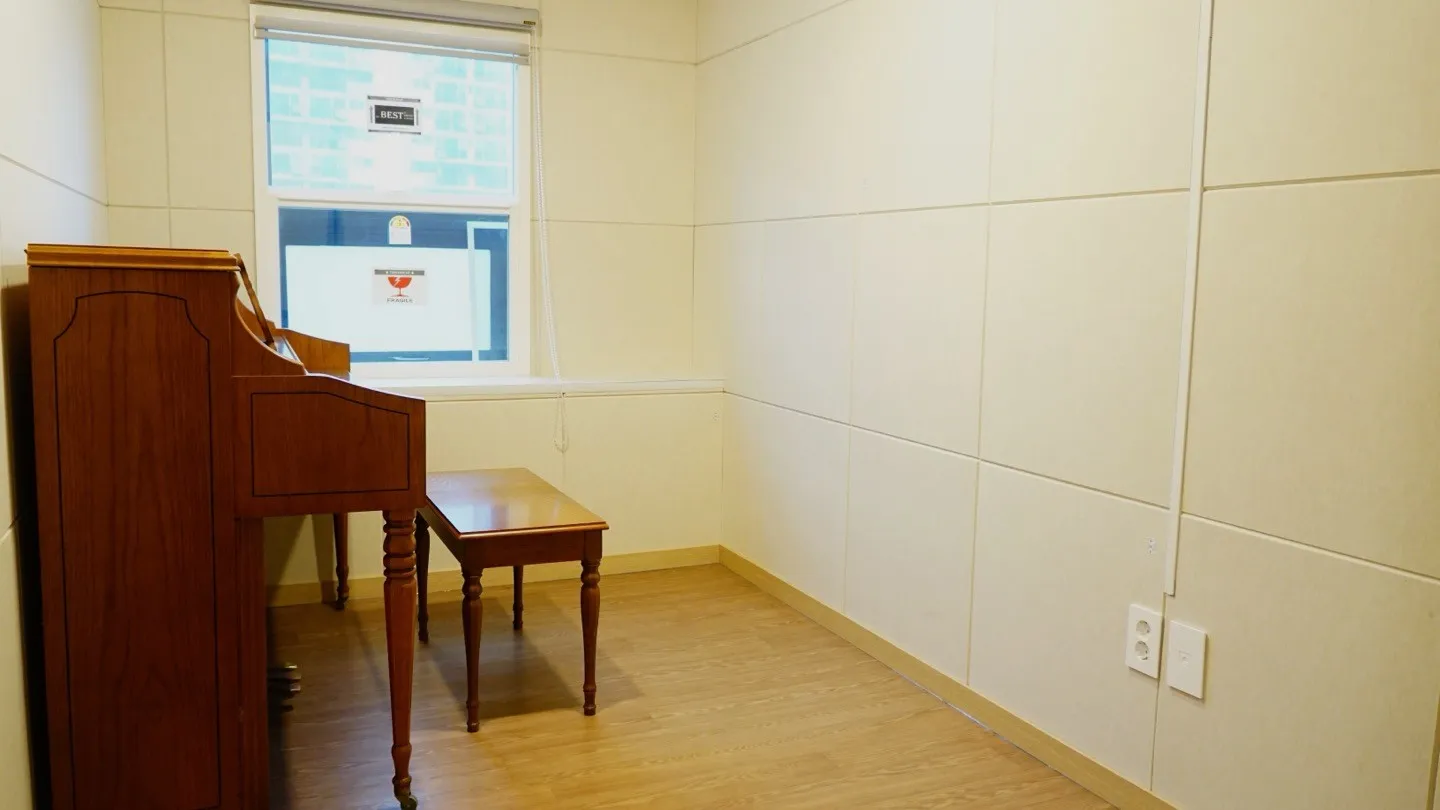
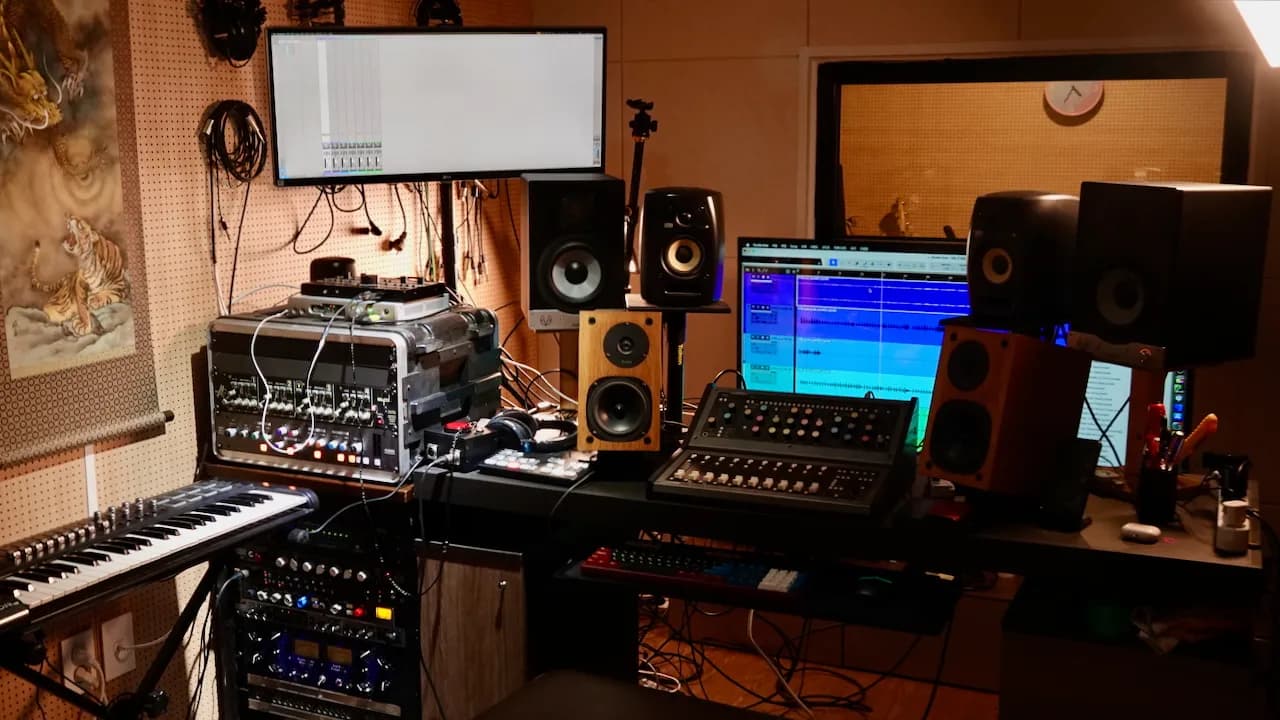
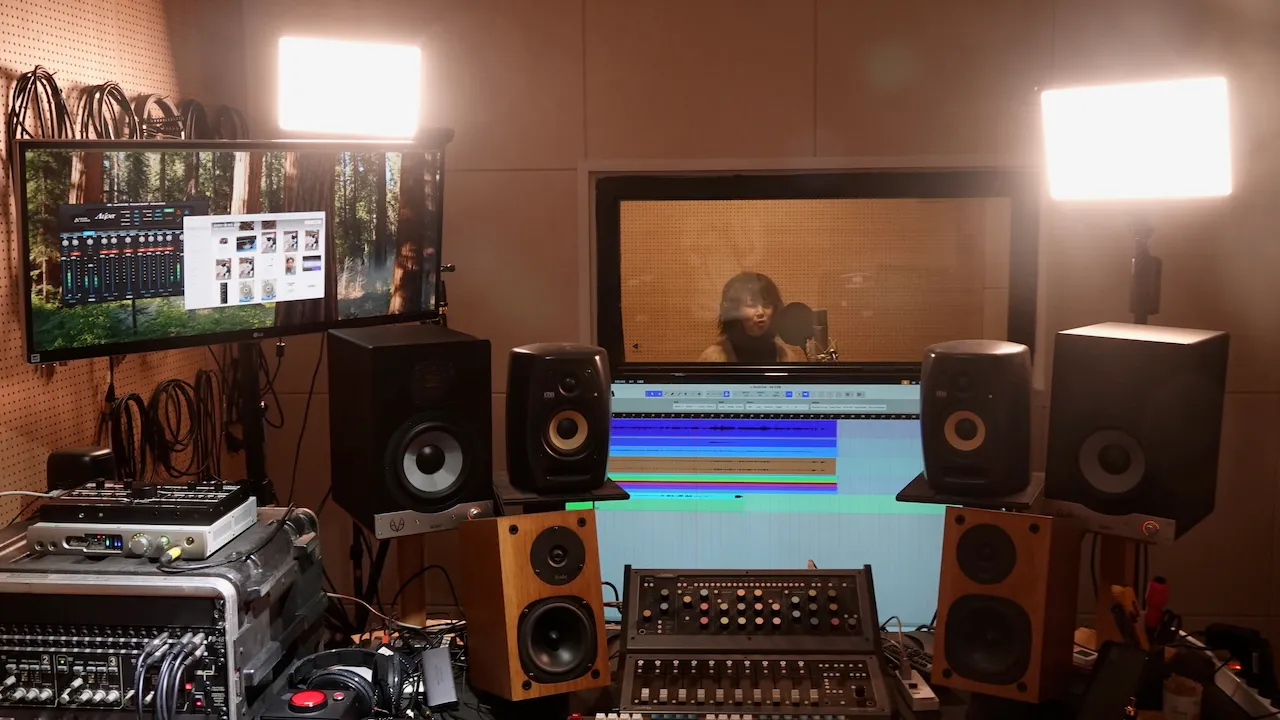
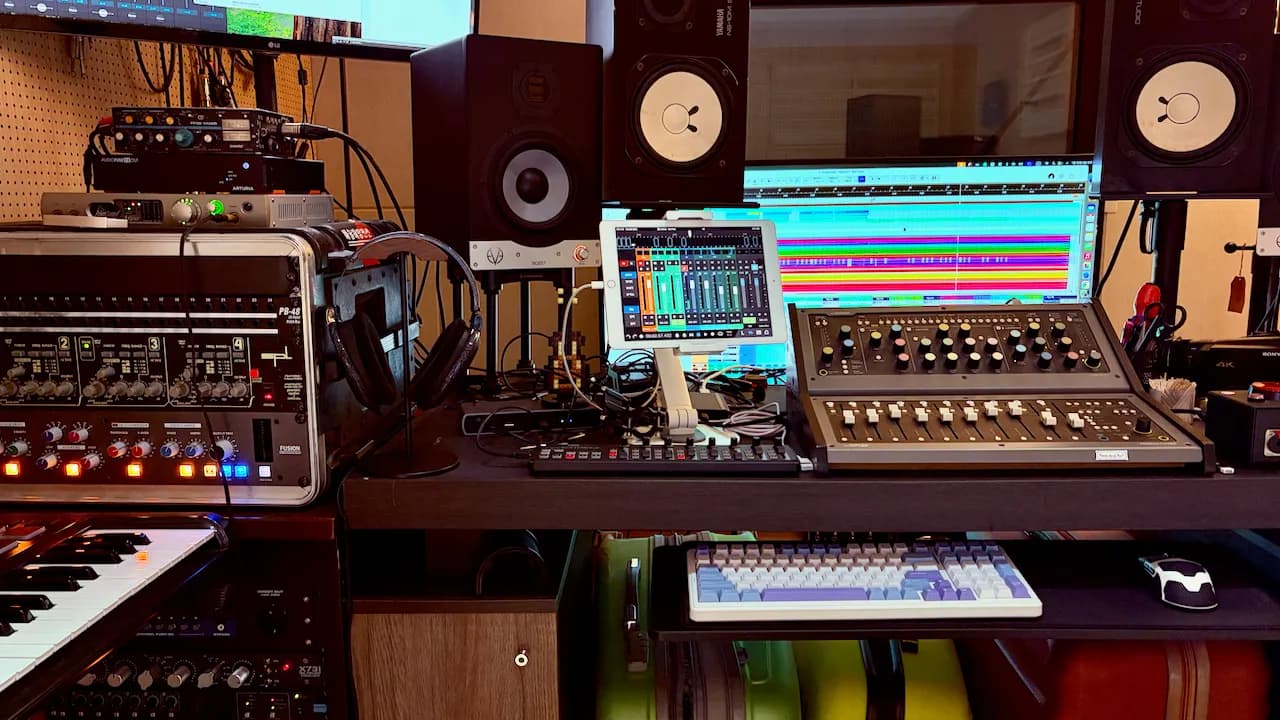
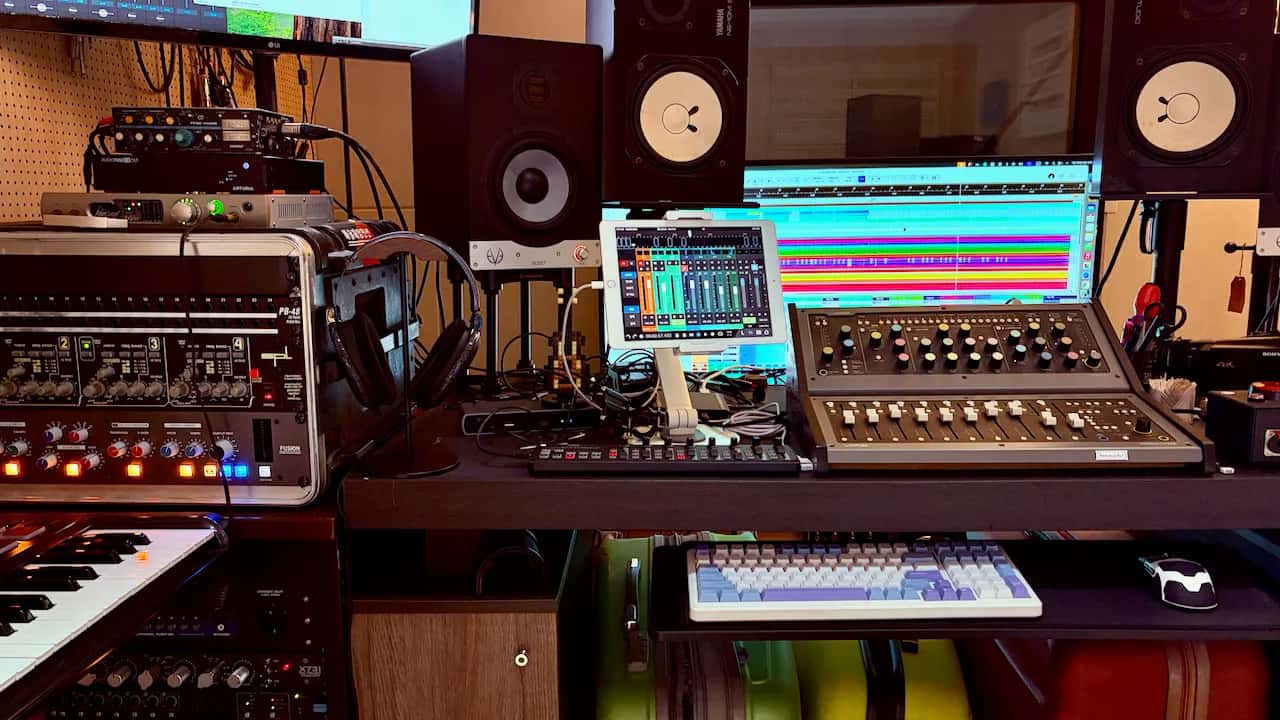
Because lessons happen inside a working studio rather than a generic practice room, you get to rehearse on real condenser mics, monitors, and a treated room. For Seoul singing lessons aimed at recording-ready vocalists, this matters more than it sounds — you train in the same environment you will eventually record in.
Booking in English
Booking is straightforward. Reach out via our contact page, or message us on KakaoTalk or Instagram DM if you prefer. In your first message, mention:
- That you want an English-speaking coach
- Your focus (vocal, piano, guitar, bass, production)
- Rough dates and how many sessions you are considering
- Your level — total beginner is fine, just say so
We will confirm coach availability and times back in English. For a sense of where lesson rates sit relative to recording and other studio services, our Seoul recording studio pricing guide is the best context.
FAQ
Q: Can I take lessons even if I am a complete beginner? Yes. Lessons adapt to your level, and starting from zero is common. The first session simply sets a baseline.
Q: Do I need to commit to a package, or can I do single sessions? Both work. Drop-in single sessions are fine if you are visiting short-term; multi-session packages make sense if you live in Seoul.
Q: Can lessons be combined with recording sessions? Yes — many students do exactly this. Our recording hub guide for foreign musicians explains how lessons and recording sessions fit together in one trip.
Q: How far in advance should I book? One to two weeks ahead is comfortable for matching coaches and finding good times. Last-minute is sometimes possible.
Next steps
Start with the hub guide for foreign musicians for the full picture, plan your visit to Studio NOL from Seoul or Gyeonggi, or just contact us directly and we will take it from there in English.