If you have spent any time in Seoul as a musician, you have probably heard the word yeonseup-sil (연습실) tossed around. It loosely translates to "music practice room," but the concept is a little different from what you might be used to back home. Instead of paying a monthly fee at a band rehearsal complex or borrowing a friend's garage, Korean musicians usually rent a room by the hour at a studio that specializes in nothing but practice. The model is fast, flexible, and surprisingly affordable — but for newcomers, the first booking can feel intimidating, especially if your Korean is limited to annyeonghaseyo.
This guide walks you through what a music practice room Seoul-style actually looks like, and how to book one in English without any stress.
What you'll find at a Korean practice room
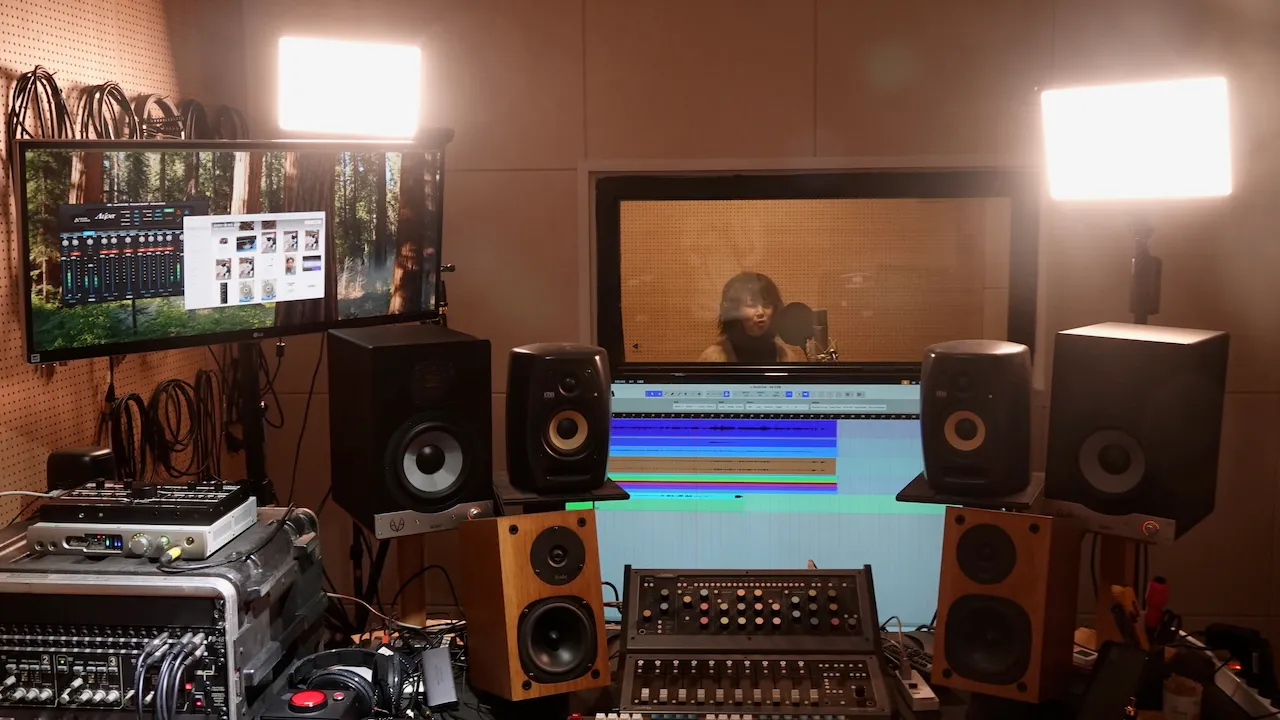
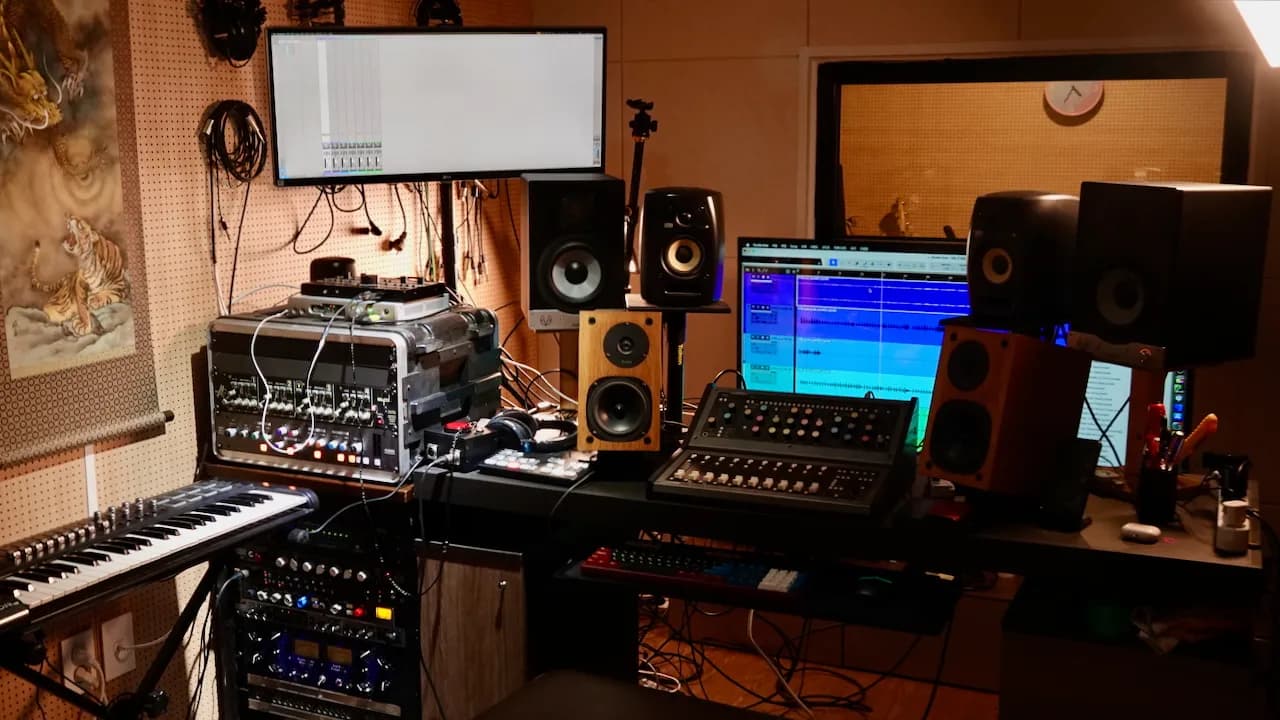
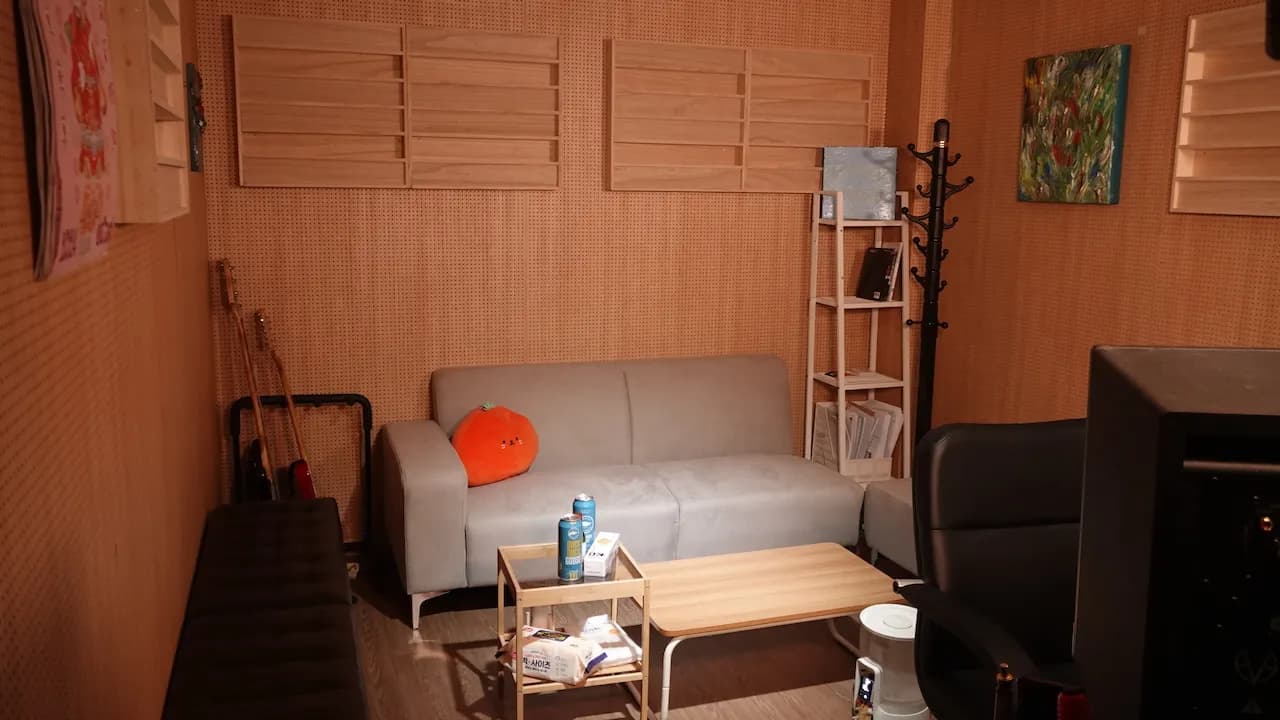
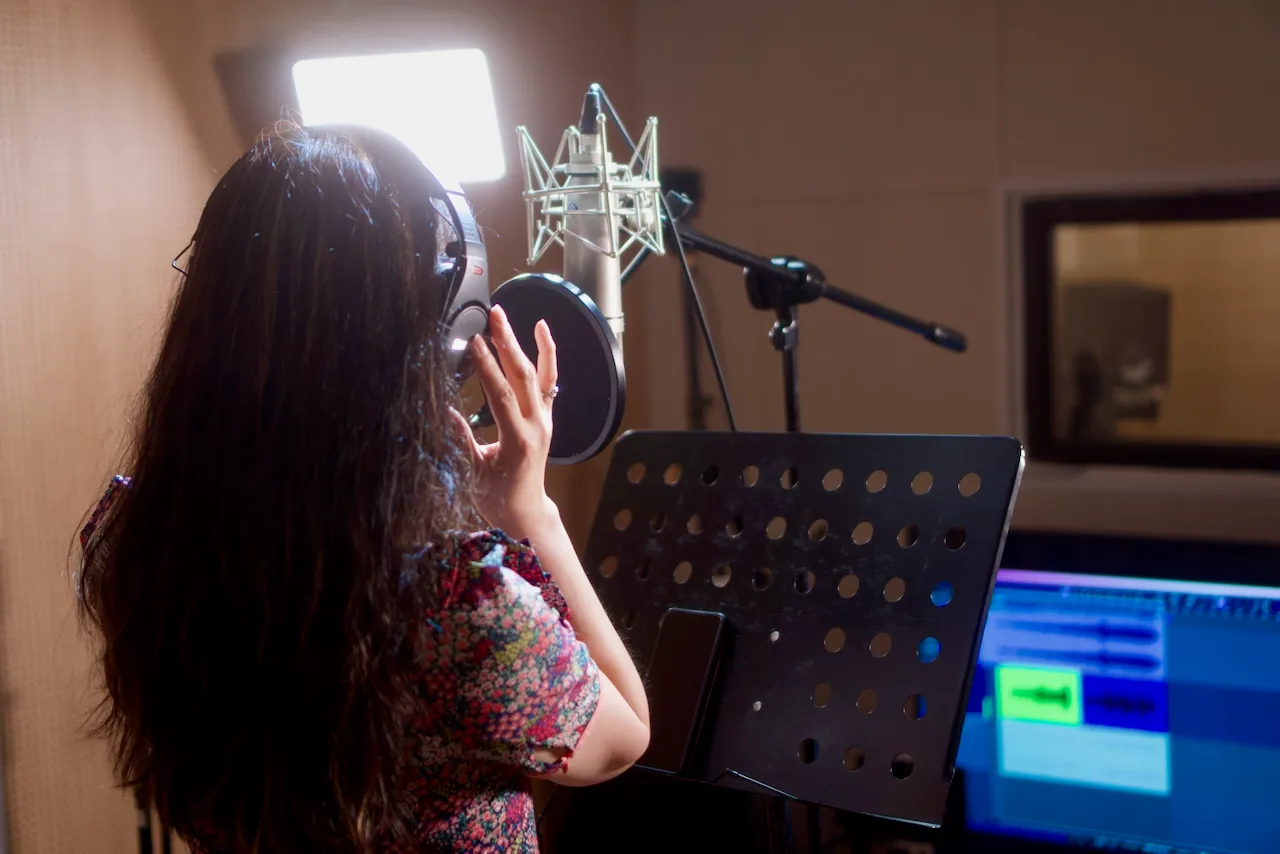
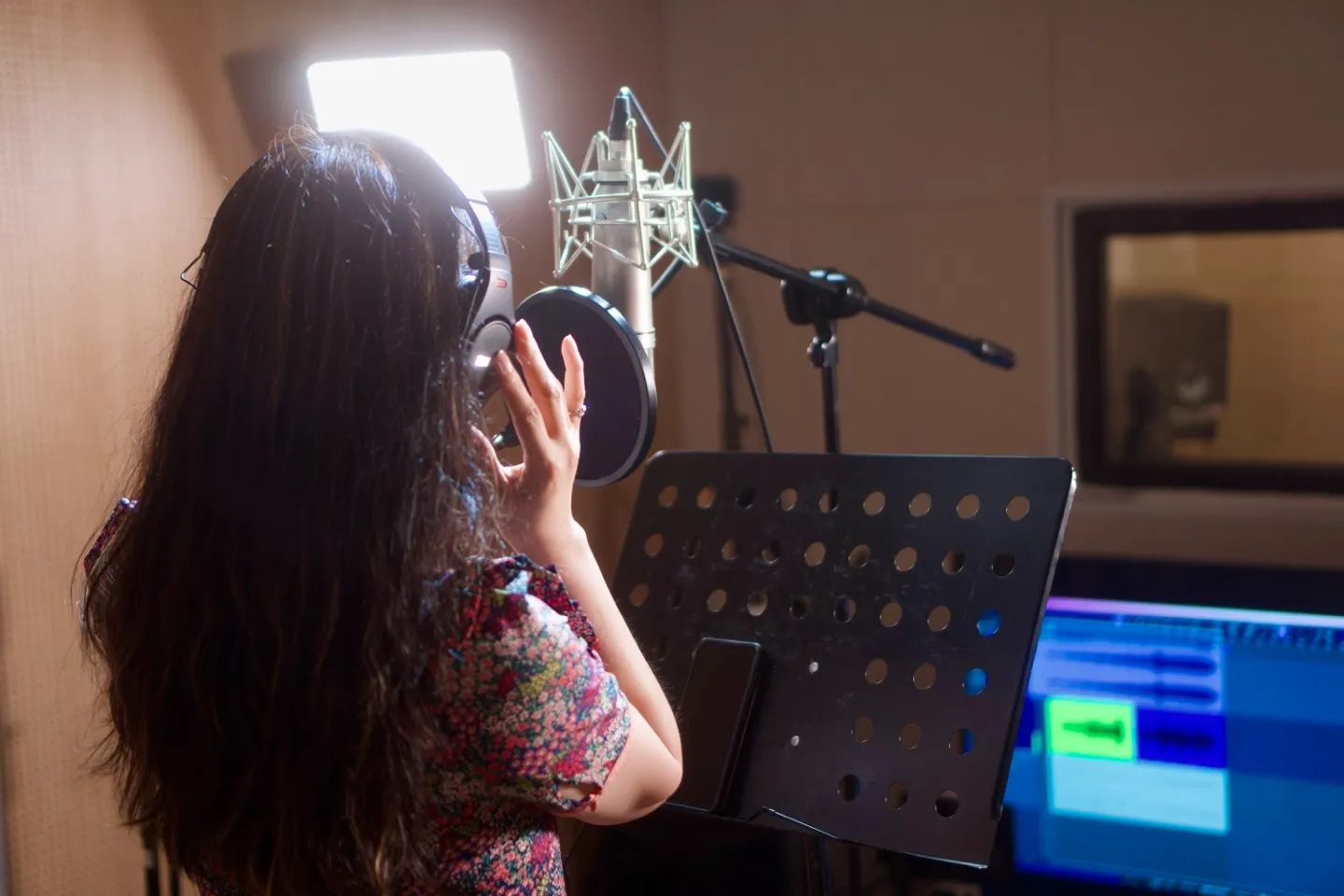
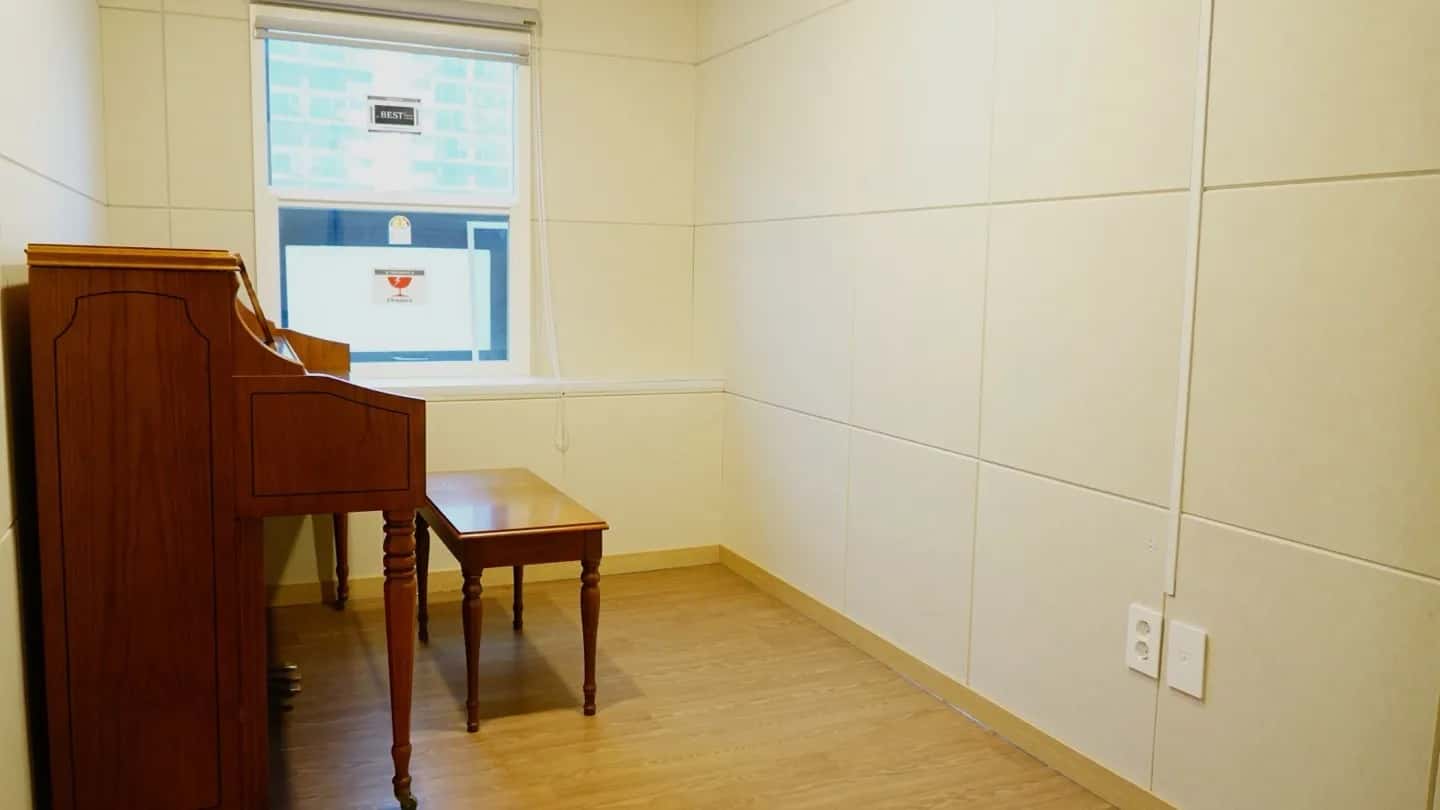
A typical room is small, well sound-proofed, and ready to use the moment you walk in. Expect a digital piano or upright keyboard, a vocal mic, a basic monitor or PA, and sometimes a bass amp or guitar amp depending on the room. Sizes range from cozy one-person vocal booths to larger rooms that fit a four- or five-piece band. Most studios run from late morning until late night, with weekends being the busiest window.
At Studio NOL in Yeonsinnae, our practice rooms are bilingual-friendly: staff communication works in English as well as Korean, and the rooms are acoustically treated so you can actually hear what you're playing. Only one room has an upright piano and it is usually rented monthly, so plan to bring your own instrument, keyboard, speaker, and mic.
Booking in English: step-by-step
Booking a rehearsal room Korea English-speakers can use is honestly easier than most people expect. Here is the flow we recommend.
Step 1 — Find a studio with English support. Not every studio handles English inquiries smoothly. If you want a broader overview of bilingual studios in Seoul, our hub guide on recording in Seoul for foreign musicians is a good starting point.
Step 2 — Reach out via email, KakaoTalk, or Instagram DM. A simple message works: "Hi, I'd like to book a practice room for two people on Saturday around 3 PM for two hours. Do you have availability?" That is enough information to get a fast reply.
Step 3 — Confirm date, time, room size, and equipment. Mention your instruments and whether you need a piano, mic, or amp. Korean studios appreciate specificity because it helps them assign the right room.
Step 4 — Pay. Most studios accept Korean bank transfer or in-person card payment. You can also ask about cash. For a clearer breakdown of what hourly practice rooms typically cost, see our Korean recording studio pricing guide.
Step 5 — Arrive a few minutes early. This gives you time to set up without eating into your booked hour. If you are visiting us from outside Yeonsinnae, our visit guide from Seoul and Gyeonggi covers the easiest subway and bus routes.
What to bring
You don't need much — that's the whole appeal of an hourly practice space Yeonsinnae musicians rely on.
- Your own instrument (if portable: guitar, bass, wind, strings)
- A USB stick if you want to record a quick rehearsal reference
- Water and a small snack for longer sessions
- Personal headphones (optional, useful for keyboard practice)
- Sheet music or a tablet for charts
Studio NOL practice rooms specifically
Our practice rooms are designed for working musicians, students, and visiting artists who want a clean, quiet space without the friction of a Korean-only booking process. Staff respond in English over email and KakaoTalk, and walk-in questions on arrival are no problem.
If you want a deeper look at the studio side of what we do — recording, mixing, mastering, and producing — our hub guide for foreign musicians in Seoul covers the full picture.
FAQ
Q: Can I drop in without booking? A: No. Hourly use is booked and paid online first (same-day works if the room is free). The booking page is in Korean at studionol.co.kr/ko/booking/practice-room; your browser's translate function handles it fine. Monthly residency starts with a visit you arrange by email or KakaoTalk.
Q: Are mics included? A: The practice room is for rehearsal, and we don't rent out recording-grade condenser mics there. For a proper vocal recording, book the recording studio (₩100,000/hour with an engineer, 2-hour minimum).
Q: How long is the minimum booking? A: One hour minimum, up to 8 hours, at ₩6,600 per hour (VAT included) for the private practice room. Cancel 2+ days ahead for a full refund, the day before for 50%; same-day cancellations are not refunded. Monthly residency is ₩360,000 with no deposit.
Q: Can I record in the practice room? A: Practice rooms are designed for rehearsal, not professional recording. For tracking sessions, see our hub guide above for the recording side of Studio NOL.
Next steps
Need a room for a few hours? Book online on the Korean booking page. Thinking about a monthly room, or have questions first? Contact Studio NOL in English and we'll reply within a day. For the wider picture of what foreign musicians can do in Seoul, our recording in Seoul hub guide ties everything together — practice, recording, and getting around the city.