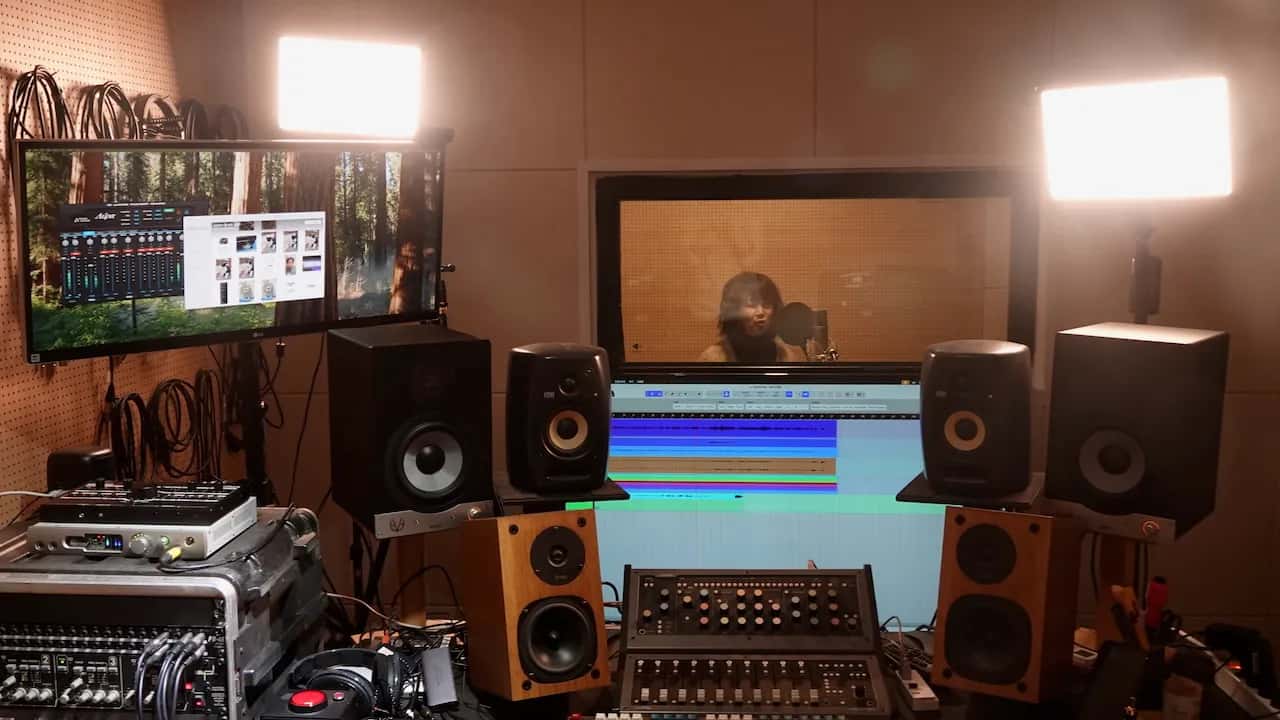
Seoul has quietly become one of the most exciting places in the world to make music. K-pop drew the first wave of attention, but the city's appeal now reaches well beyond idol production — indie bands tour through Hongdae, session players record for film and game scores, and singer-songwriters drop by on long Asia trips looking for a fresh sonic stamp. If you have arrived in Korea with a voice memo, a half-finished demo, or a finished song that just needs a proper vocal take, you are in the right city.
The hard part, for most international musicians, is not the music. It is figuring out how a Korean studio actually works — how to book, what to expect when you walk in, what the engineer will and will not do, and whether anyone on the other end of the email speaks English. This hub guide walks you through all of it, and links out to deeper guides on practice rooms, lessons, pricing, and getting to our space in Yeonsinnae.
We run Studio NOL near Yeonsinnae Station on Seoul Subway Line 3. We work with Korean artists every day, but we also host foreign musicians from across Asia, Europe, North America, and beyond — and we built this guide because we kept answering the same questions. Consider it the orientation we wish every visiting artist had before they landed.
What a Korean recording studio looks like
A typical Seoul recording studio is built around an hourly booking model. You reserve a block — three hours, six hours, a full day — and the engineer is yours for that window. There is rarely a separate "producer day rate" the way you might see in Los Angeles or London. The engineer runs the session, prints the takes, and often does a rough mix before you leave. Many sessions wrap with a same-day reference bounce so you can listen on the train home.
Communication culture differs too. Korean artists usually book via KakaoTalk, the dominant messaging app in Korea, or through Instagram DMs and email. Phone calls are less common, especially for first contact. Sessions tend to move quickly — engineers expect the artist to arrive warmed up, with the arrangement and reference tracks ready. The pace is part of why so many K-pop releases land on tight schedules: the workflow is built for efficiency.
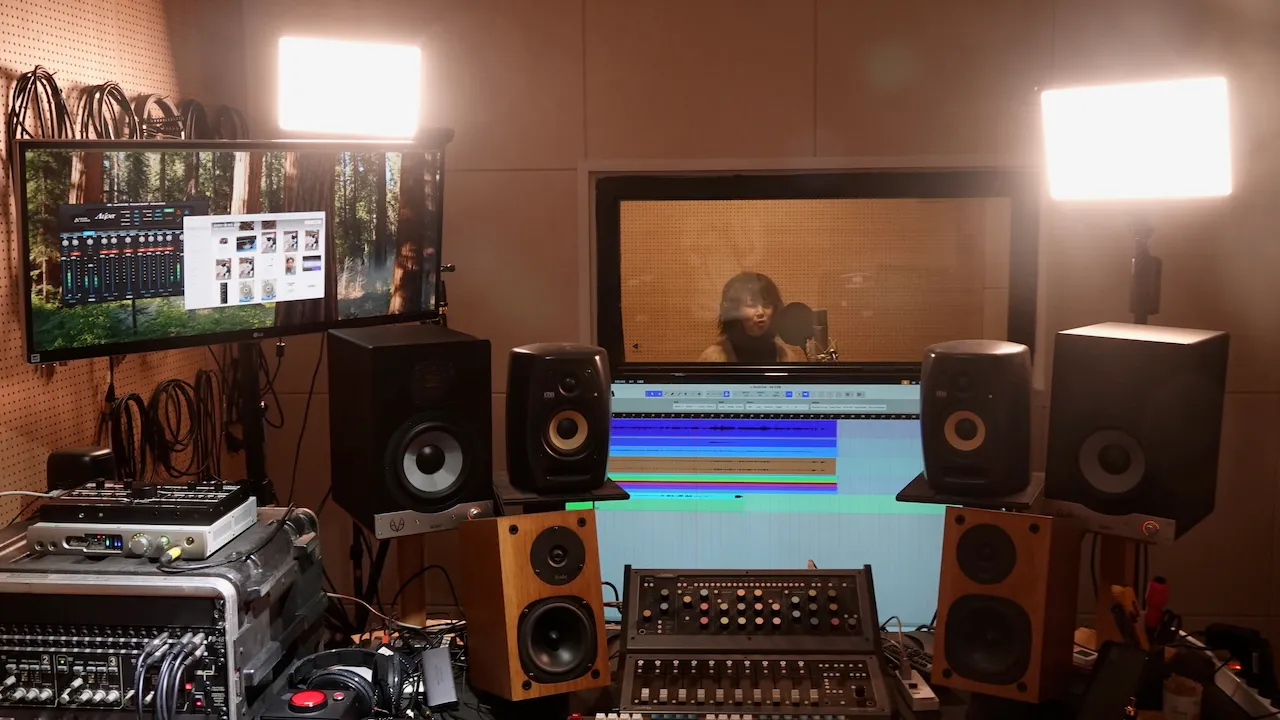
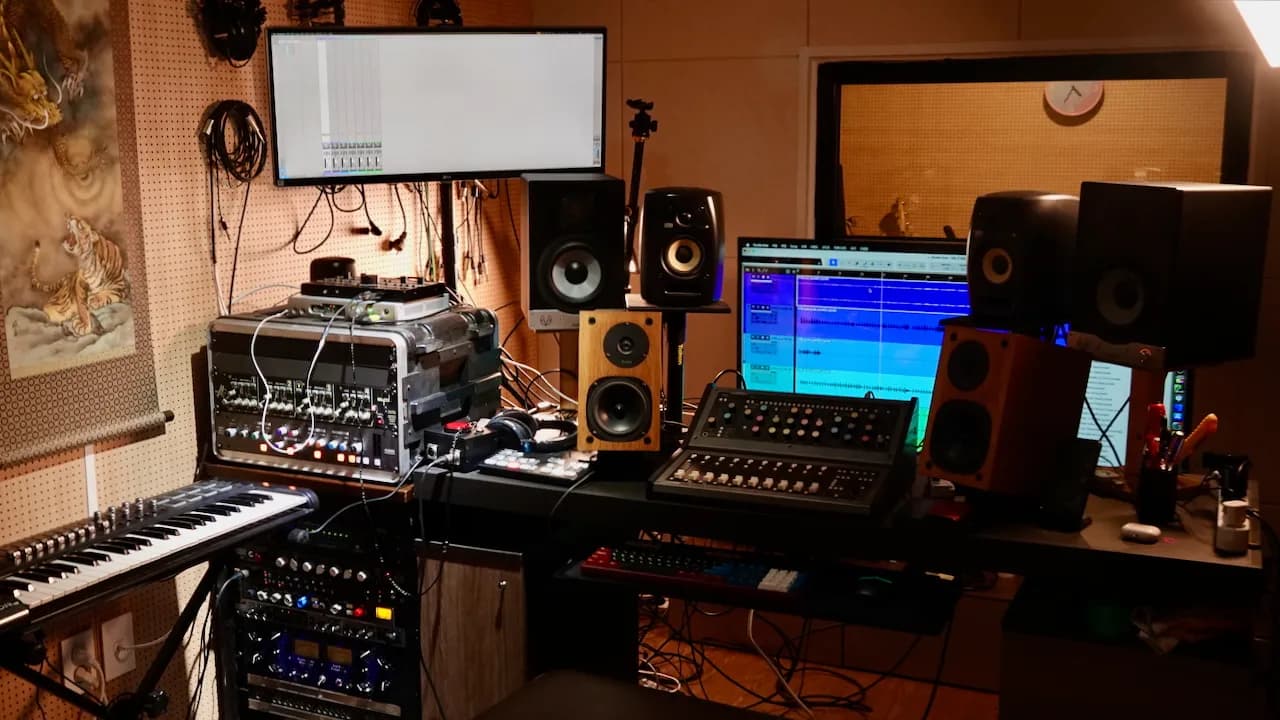
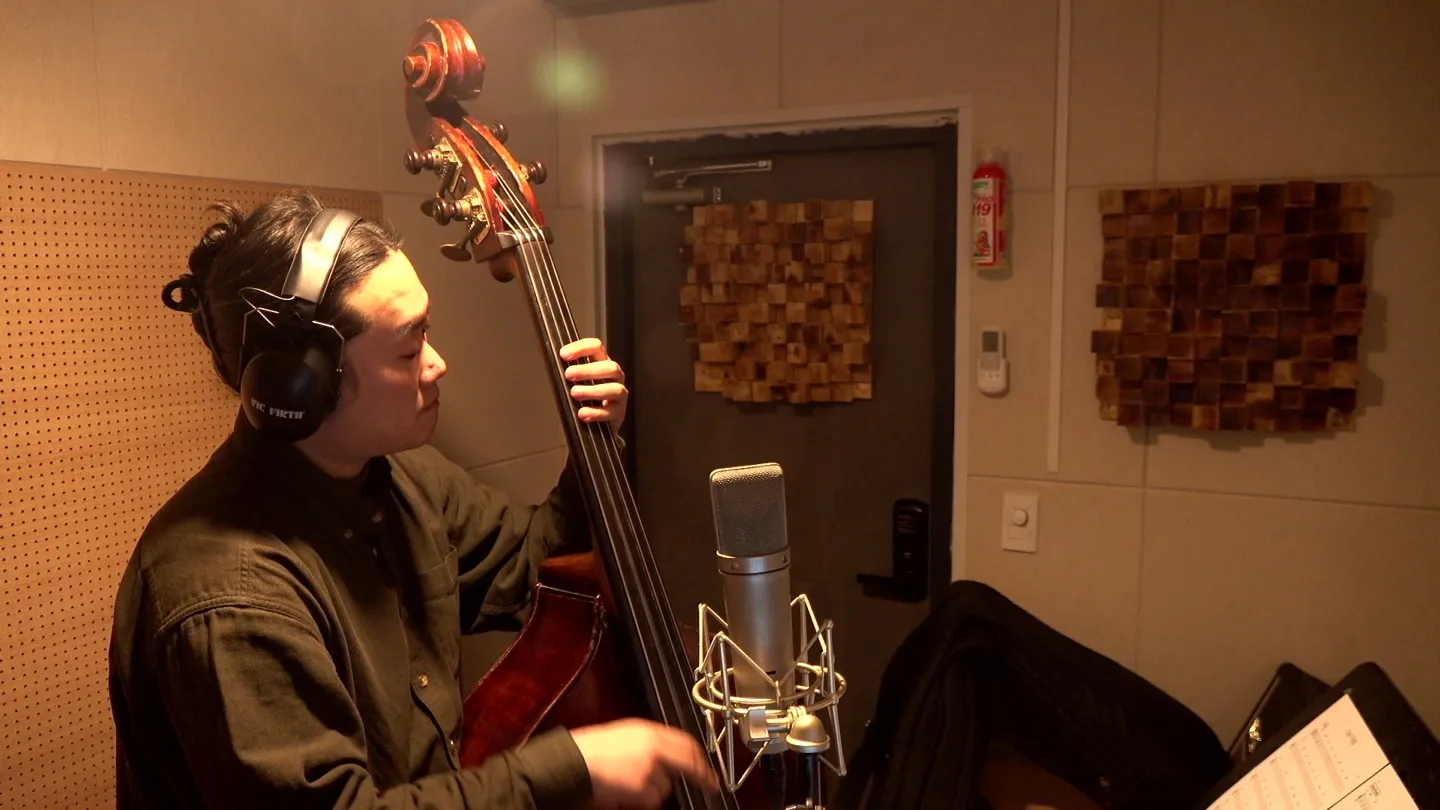
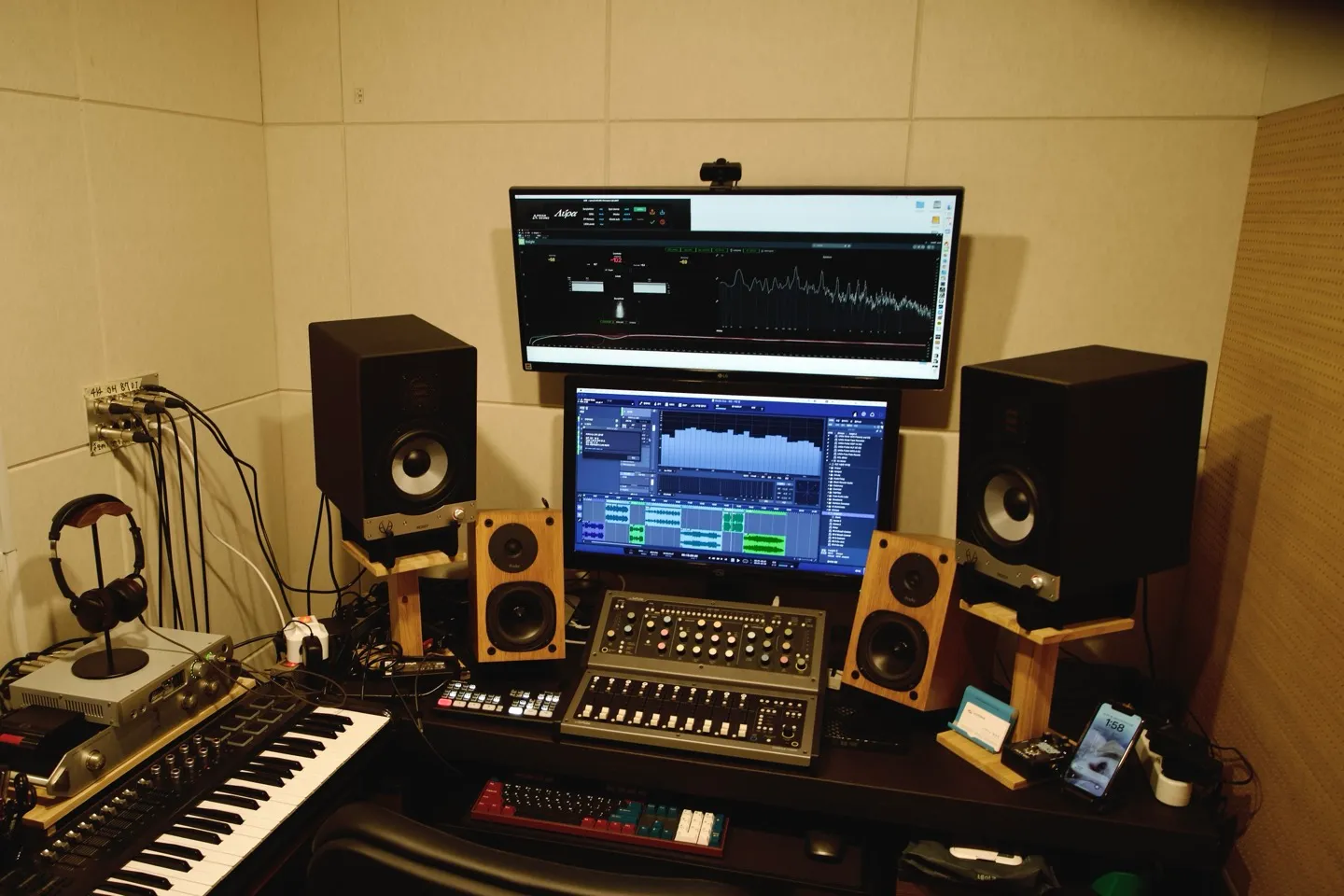
You will also notice the gear is serious. Even mid-sized rooms in Seoul tend to invest in flagship microphones, analog outboard, and well-treated booths, because competition between studios is intense and clients listen carefully. At Studio NOL we run a Neumann U87Ai as our primary vocal mic, SSL Fusion on the master bus, ProAc monitors for accurate translation, and a Pro Tools session backbone that any visiting engineer or producer will immediately recognize.
The other thing to know: Korean studios often double as multi-purpose spaces. A single facility may offer recording, rehearsal rooms, 1:1 lessons, and even voice acting work under one roof. That is by design — it keeps the room busy and the workflow flexible — and it is why your first email might mention three different services at once.
Booking and communicating in English
The honest answer is that most Korean studios operate primarily in Korean. Their websites, booking forms, and KakaoTalk channels assume a Korean-speaking client. That does not mean foreign musicians are unwelcome — most engineers are friendly and resourceful — but it does mean you should specifically look for studios that advertise English support before you commit.
When you reach out, lead with the basics: what you want to record (vocal only, full band, voiceover), how many hours you think you need, your preferred dates, and any reference tracks. A short Dropbox or Google Drive link with a rough demo and a reference mix saves everyone time. If you are unsure how many hours to book, ask — a good engineer will give you an honest estimate based on your demo, and many will recommend starting smaller and extending if needed. For a breakdown of what those hours typically cost in Seoul, see our Seoul recording studio pricing guide.
If you also need a room to rehearse before tracking — which we strongly recommend, especially if you are jet-lagged — read our companion guide to booking a Korean practice room in English. Practice rooms in Seoul are cheap by international standards and most are bookable by the hour, but the reservation systems can be confusing the first time through.
Studio NOL at a glance
Studio NOL is a working music studio in Eunpyeong-gu, a quiet residential district in northwest Seoul. We are a five-minute walk from Yeonsinnae Station on Line 3, which puts us about thirty to forty minutes from Hongdae, Itaewon, or Gangnam by subway. If you are coming in from Incheon Airport, the AREX express train plus one transfer gets you to the neighborhood directly. Full directions live in our visiting Studio NOL guide.
Under one roof we offer recording (vocals, instruments, full band tracking, mixing, and mastering), hourly practice room rentals, voice acting sessions including English dubbing, and wedding song recording for couples who want a personal track for their ceremony. Whatever brings you to Seoul, there is a good chance we can host that part of your project.
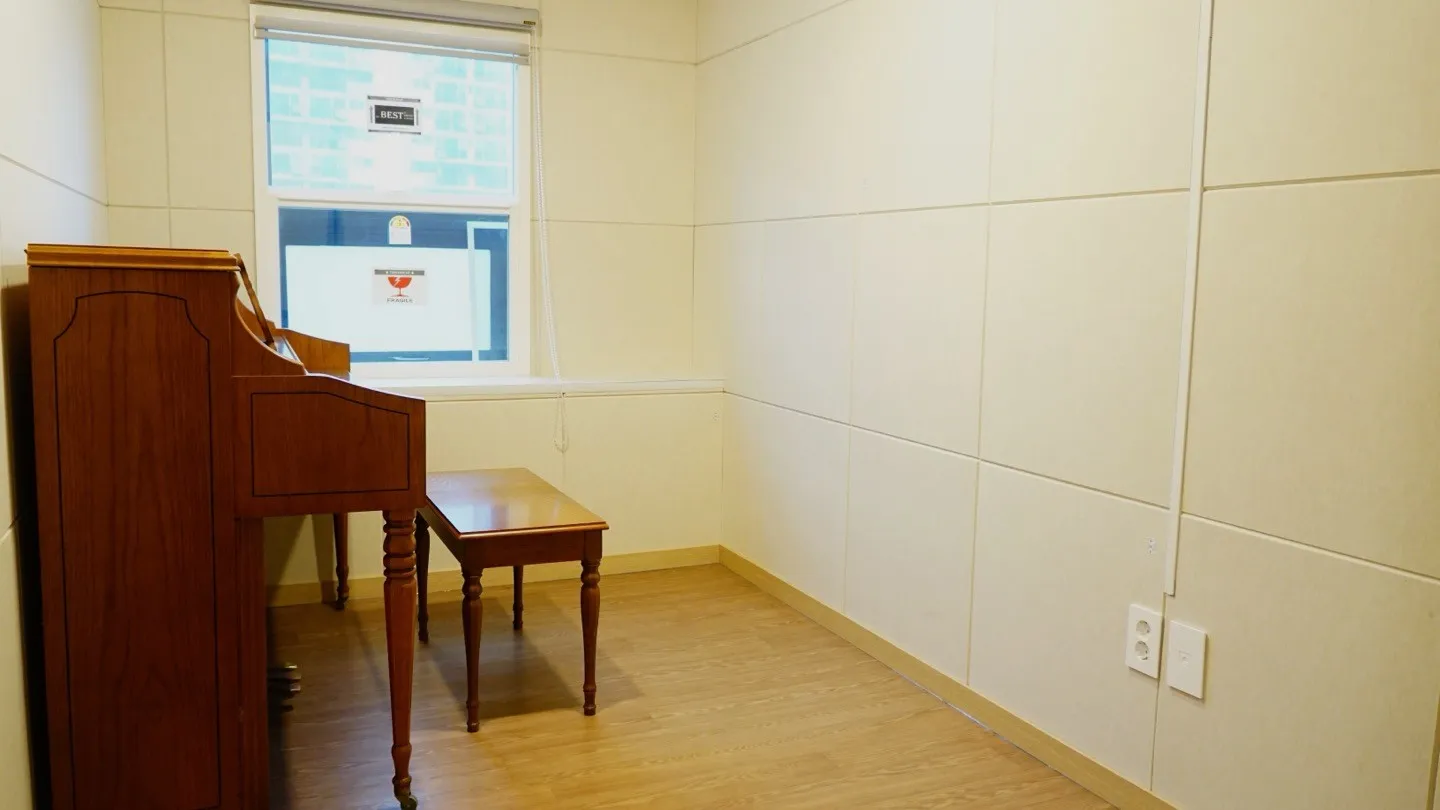
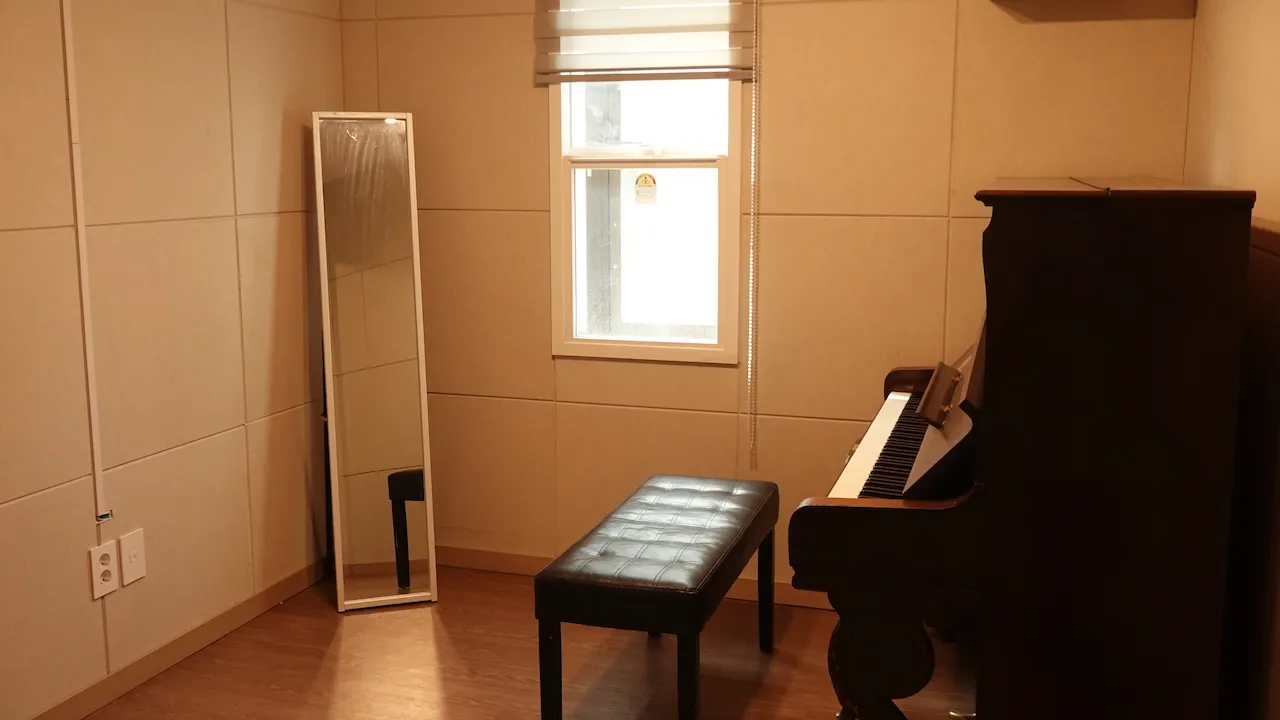
On the gear side, our vocal chain is built around the Neumann U87Ai through a clean preamp into Pro Tools, with SSL Fusion analog processing available on the master bus. We monitor on ProAc speakers in a treated control room, and we keep a tuned upright, a stage piano, and a handful of guitars available for visiting artists who travel light. Files go out as WAV by default — 24-bit, 96 kHz unless you ask otherwise — with MP3 references on request.
For international musicians, the project side is easy to handle in English: bookings, quotes, mix notes, and revision rounds are all handled in English by email or KakaoTalk, and our remote mixing and mastering service runs entirely in English — send us your tracks from anywhere and we deliver finished files.
Common questions from foreign musicians
Can I handle my project in English? Booking, quotes, mix notes, and revision rounds are all handled in English, and our remote mixing and mastering runs fully in English from start to finish — many international clients work with us entirely by sending their tracks. For an in-person session in Seoul, let us know your needs when you book and we will make sure the session is set up smoothly.
Can I bring my own instruments? Absolutely, and many visiting artists do. We have no piano or house instruments available for guests, so bring what you play. Let us know in advance what you plan to bring and we will set up the room accordingly.
How far in advance should I book? One to two weeks is comfortable for most sessions, and lets us hold the engineer and the right room. Last-minute slots do come up — if you are already in Seoul and want to record this week, send us a message and we will tell you honestly what is open.
What file formats do you deliver? WAV at 24-bit, 96 kHz is our default for stems and final mixes, which is industry standard and translates cleanly into any DAW. We also provide MP3 references and can deliver alternative sample rates or formats on request.
Can you handle K-pop style production? Yes. We work with pitch correction, dense vocal stacking, ad-lib comping, and the bright, forward mix aesthetic associated with current K-pop releases. We can also dial it back toward indie, R&B, or acoustic if that is closer to your sound — we mix to the song, not to a single template.
Where can I find more details on prices or practice rooms? Each topic has its own dedicated guide: pricing and practice room booking. For directions and travel logistics, see the visit guide.
Next steps
If this guide answered the big questions, the next move depends on what your trip looks like. If you want to compare costs before deciding how many sessions to book, start with the pricing guide. If you need a rehearsal room before tracking, the practice room guide walks through reservations step by step. And if you are ready to lock in dates, contact us directly — tell us what you want to record, when you are in town, and we will get a session held for you. Welcome to Seoul. We are looking forward to hearing what you bring in.