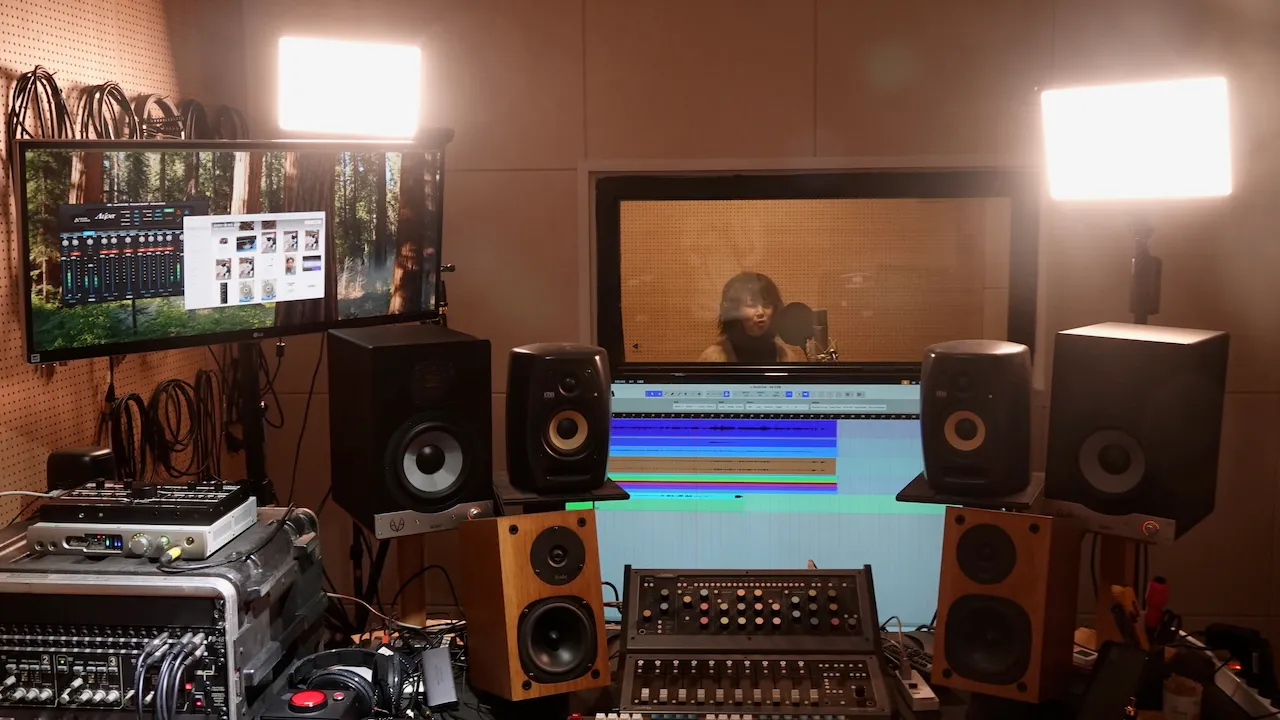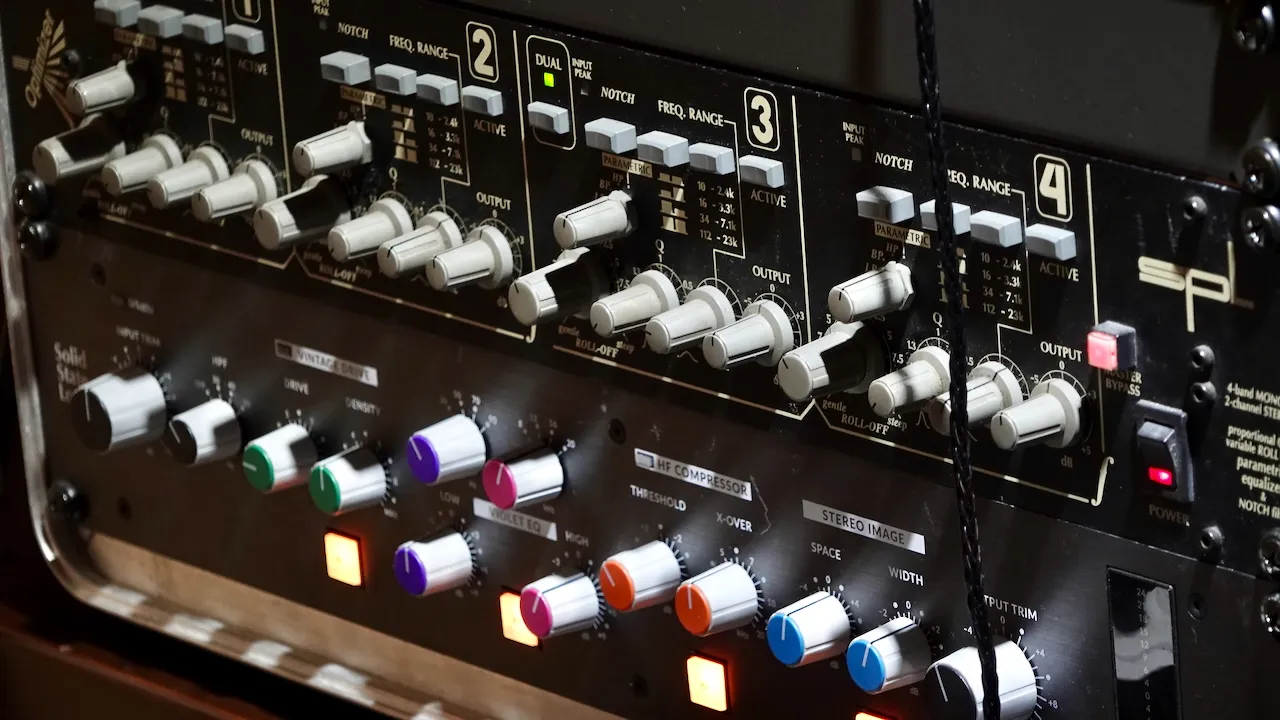
“Which mic is good? Which audio interface will give me a pro sound?” Dozens of questions like this appear in music communities every day. We call it gear addiction. Sure, good gear helps. But it’s not as absolute as you think.
1. DAW: Choosing your cooking tools
A DAW (Digital Audio Workstation) is a studio inside your computer. Cubase, Logic, Ableton Live, Studio One, Pro Tools—there are many.
- “Isn’t Ableton the best for hip‑hop?”
- “Don’t studios all use Pro Tools?”
Forget all that. The best DAW is the one you know well. Functionality has already leveled out, so the final sound quality barely differs. It’s like a chef who insists on German knives, yet can still cook beautifully with a budget knife. Choose what fits your OS (Mac = Logic, Windows = Cubase, etc.) and looks good to you. You’ll open it more often. (It should feel good to click!)
2. Audio interface: our interpreter
Computers only know 0s and 1s; our voices are analog waves. The device that interprets between them is the audio interface.
- Is more expensive better? Yes. Better converters (AD/DA) mean more transparent, clean recordings.
- How much should I spend? Today’s entry‑level interfaces in the 200–300k KRW range (Scarlett, Steinberg, MOTU, etc.) outperform gear that cost millions 10 years ago. (Great value!)
- You don’t need to buy high‑end gear like RME or Apollo from the start. Even entry‑level gear can make Billboard‑level tracks today.
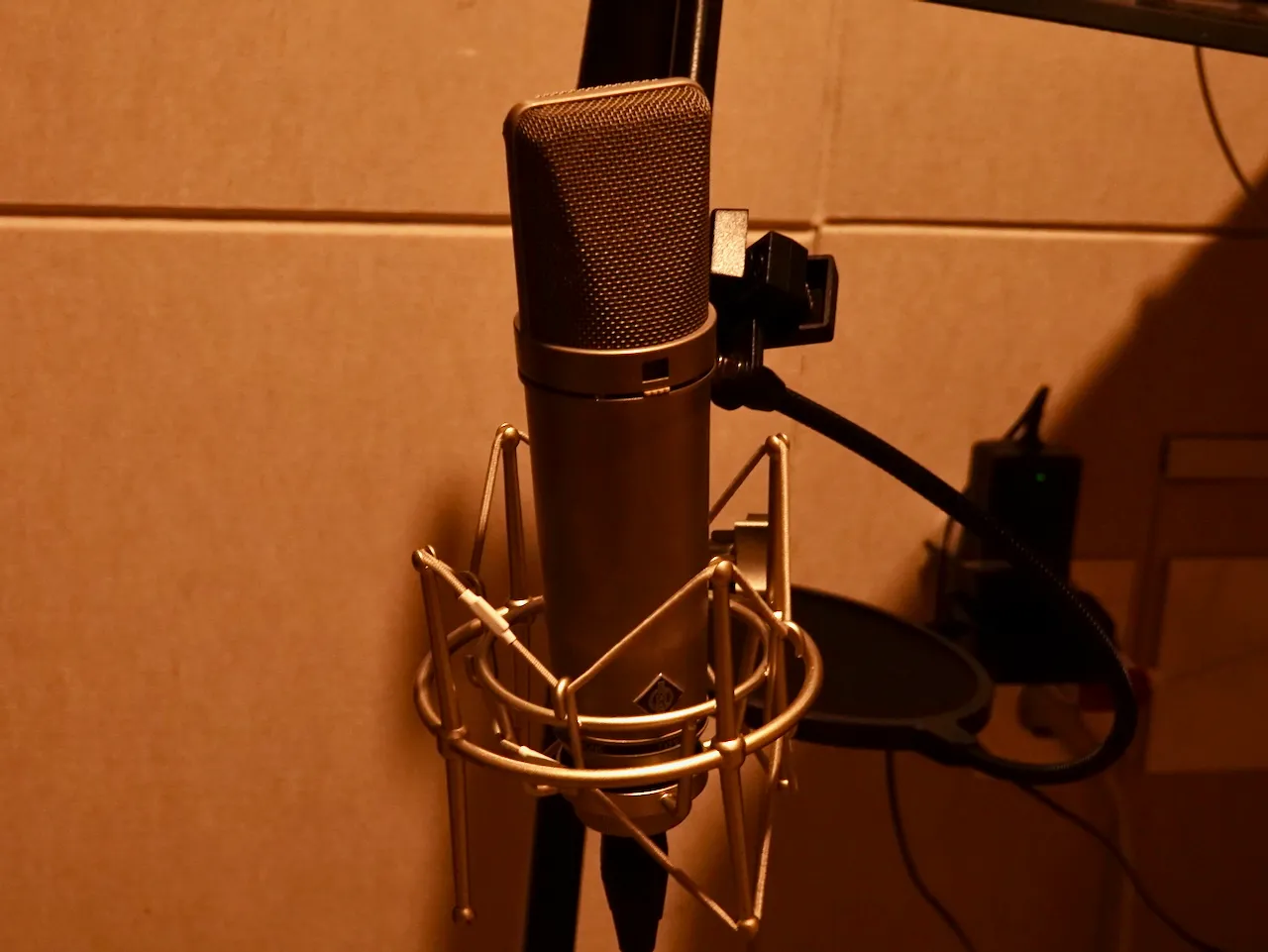
3. Microphones: the brush of the voice
Remember two main types.
- Dynamic mic: Durable and resistant to humidity. Mostly used on stage, but its tight sound is also great for rap and rock vocals. (Examples: Shure SM58, SM7B)
- Pros: Less noise in untreated rooms.
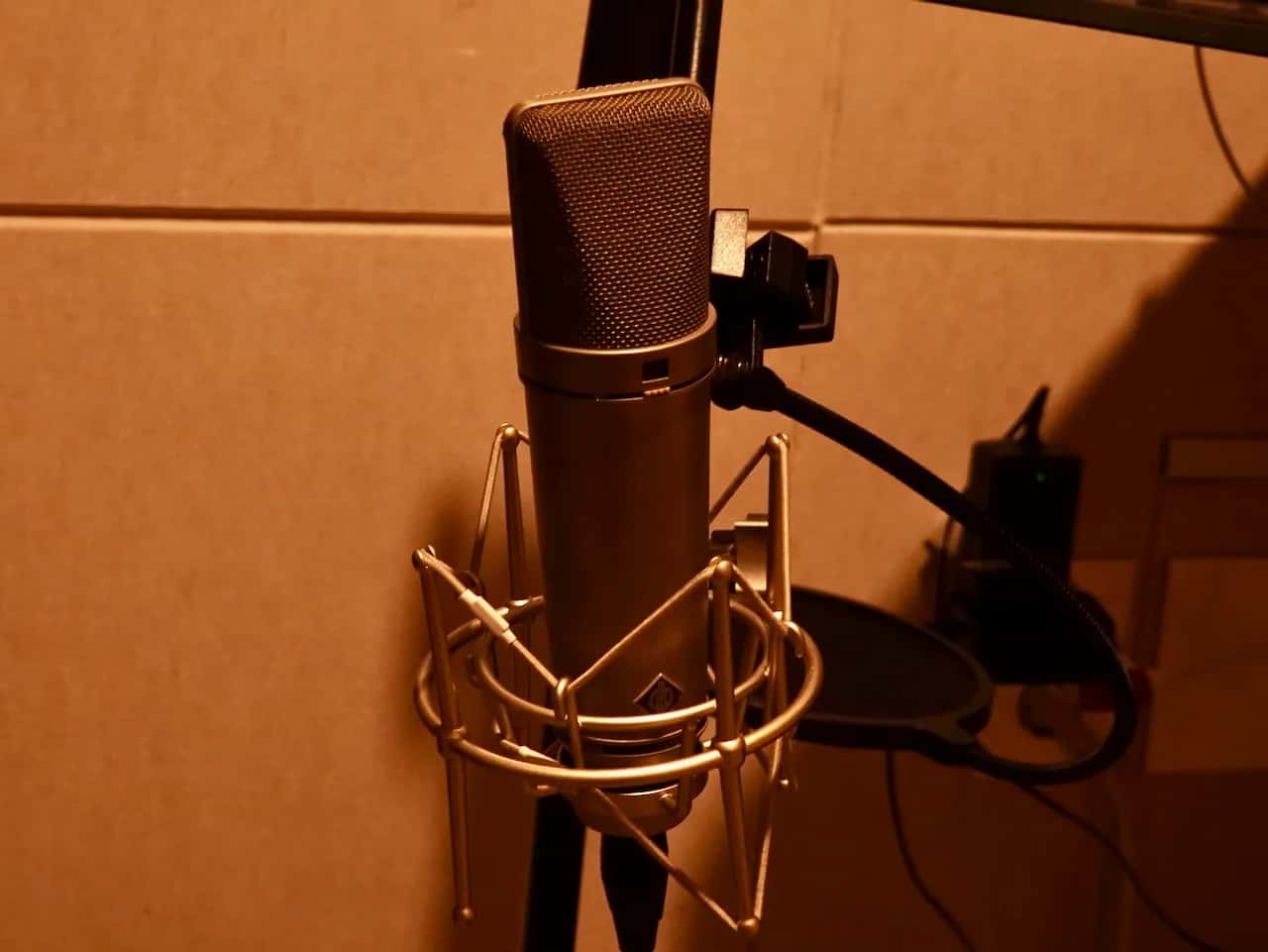
- Condenser mic: Sensitive and detailed. Captures even breathing. It’s the studio vocal standard. (Examples: Audio Technica AT2020, Rode NT1)
- Cons: Captures room reflections and even computer fan noise. In noisy rooms it can be a disadvantage.
“My room is noisy because it faces the road.” → Buy a dynamic mic. (It blocks the harsh noise.) “I record whisper vocals at night.” → Buy a condenser. (It captures even the softest breath.)
4. Stop blaming gear
There’s a phrase you hear often: “It’s not the gear, it’s the ear.”
The Beatles made history on a 4‑track tape machine, and Billie Eilish’s Grammy‑winning album was recorded in a bedroom. Your gear is already better than what they had. What’s lacking might not be the gear, but our ability to use it fully.
Before buying another plugin, why not re‑read the manual for the stock plugins in your DAW? The “pro sound” you’re looking for may already be hidden there.
[Common Beginner Mistakes] 🎸
- “Buy first, think later.” You impulsively buy a 1,000,000‑KRW mic because a famous YouTuber uses it. But your room has traffic noise and AC hum. Expensive mics record those noises clearly, too.
- “Switching DAWs.” You think using another pro’s DAW will suddenly make your music refined. No—changing tools doesn’t improve your cooking. The tool in your hand is best. (What fits you is best.)
- “Ignoring stock plugins.” You think the default EQ and compressor are bad. Not true! Many pros finish mixes using stock plugins alone.