
"Mixing isn’t a pinned photo, it’s a living film." (Action!)
We’ve learned how to make a great static mix. (Step by step!) But music flows. Verses whisper, choruses explode. (Aaaah!) The mix must move with that emotion. That’s the art of automation. (Wiggle‑wiggle!)
1. What is automation?
Automation makes volume, pan, or effect knobs move automatically over time. The computer records your moves and plays them back. (Smart!)
- Read: plays existing automation. (Knobs move by themselves.)
- Write: records everything you move. (Careful—overwrites old data.)
- Touch/Latch: writes only while you touch, then returns or holds. (Most used.)
2. What should you automate?
① Volume: the core
- Vocal riding: adjust syllable by syllable so lyrics are clear. More natural than heavy compression.
- Section contrast: lift the chorus slightly compared to the verse. (Boom!)
② Pan: widening space
- Let a guitar spread wide only during a solo. (Wow!)
- Move a sound across left and right for mystery. (Swoosh!)
③ FX: dramatic effects
- Raise reverb only at the end of a phrase. (Wet!)
- Throw delay on a single word: “hello... hello...” (Shadow!)
3. [Studio Episode] Automation woke up hidden emotion
I once mixed a soft acoustic ballad. The mix was clean, but the ending felt flat. (Hmm.)
Right before the final chorus, I lowered all instruments by 1 dB for one second, then raised them 1 dB above at the chorus hit. (Sleight of hand!)
It was just 2 dB, but the chorus felt huge and emotional. Automation creates contrast, and contrast moves the listener’s heart.
4. Practical tip: trust your hands 🖐️
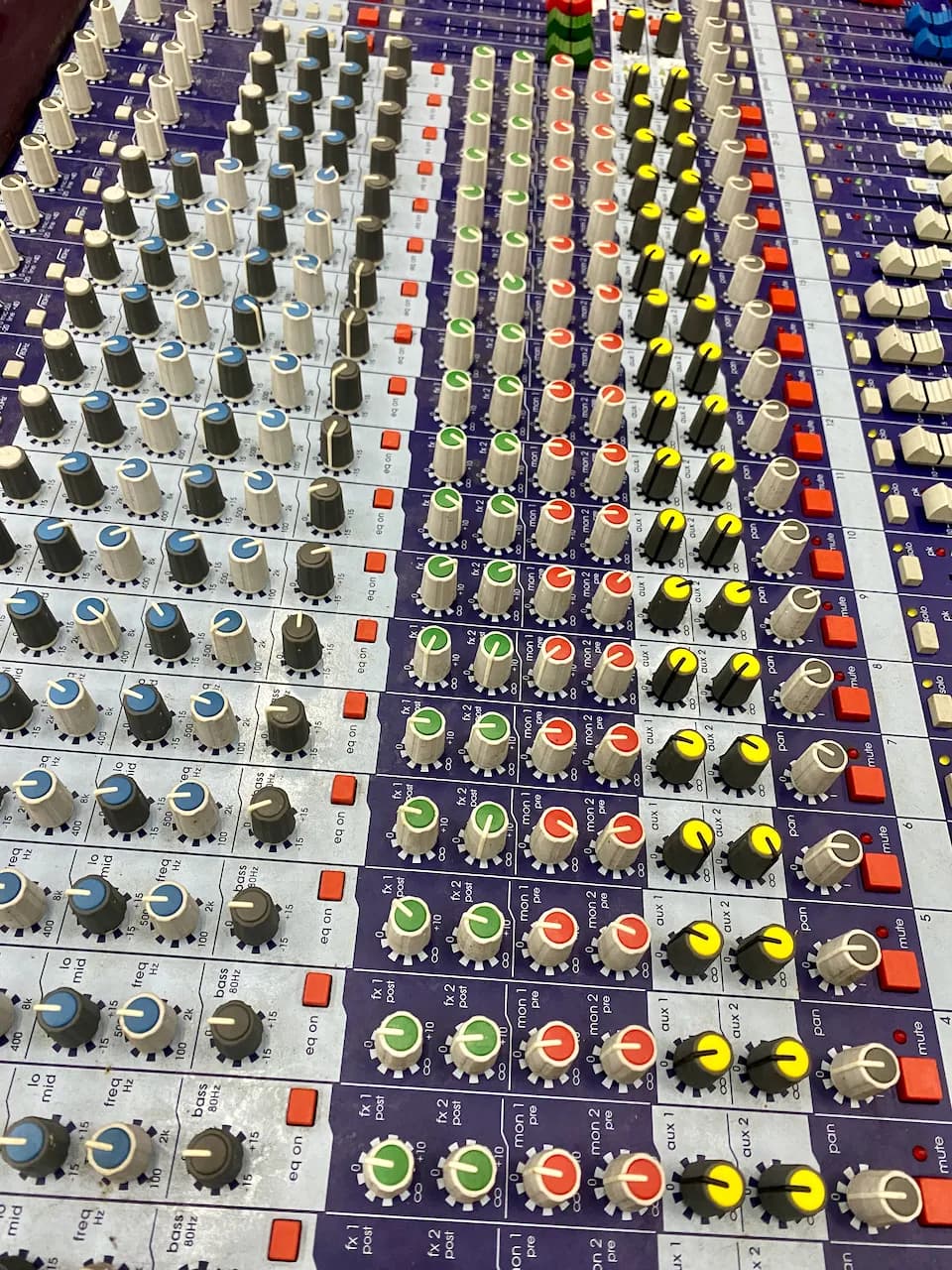
Drawing with a mouse is fine, but if you can, use a physical fader. Ride the fader with the music and you’ll capture human movement no mouse can draw. (Breathing!)
Summary
- Automation: change mix elements over time.
- Vocal riding: clarity and emotion.
- Contrast: bigger/smaller sections create drama.
- FX sends: bring space only when needed.
Mixing is no longer a still image. Make it dance. (Flow!) Next time, the grand finale: Mastering. (Drum roll!)
[Common Beginner Mistakes] ✍️
- "Set it once and done": keeping the same balance from start to finish = boredom. Faders should move with the song.
- "Over‑detailed lines": drawing tiny zig‑zags makes the sound unnatural. Start with big movements first.
- "Write mode tragedy": leaving Write on and overwriting precious automation. After writing, switch back to Read or Touch.