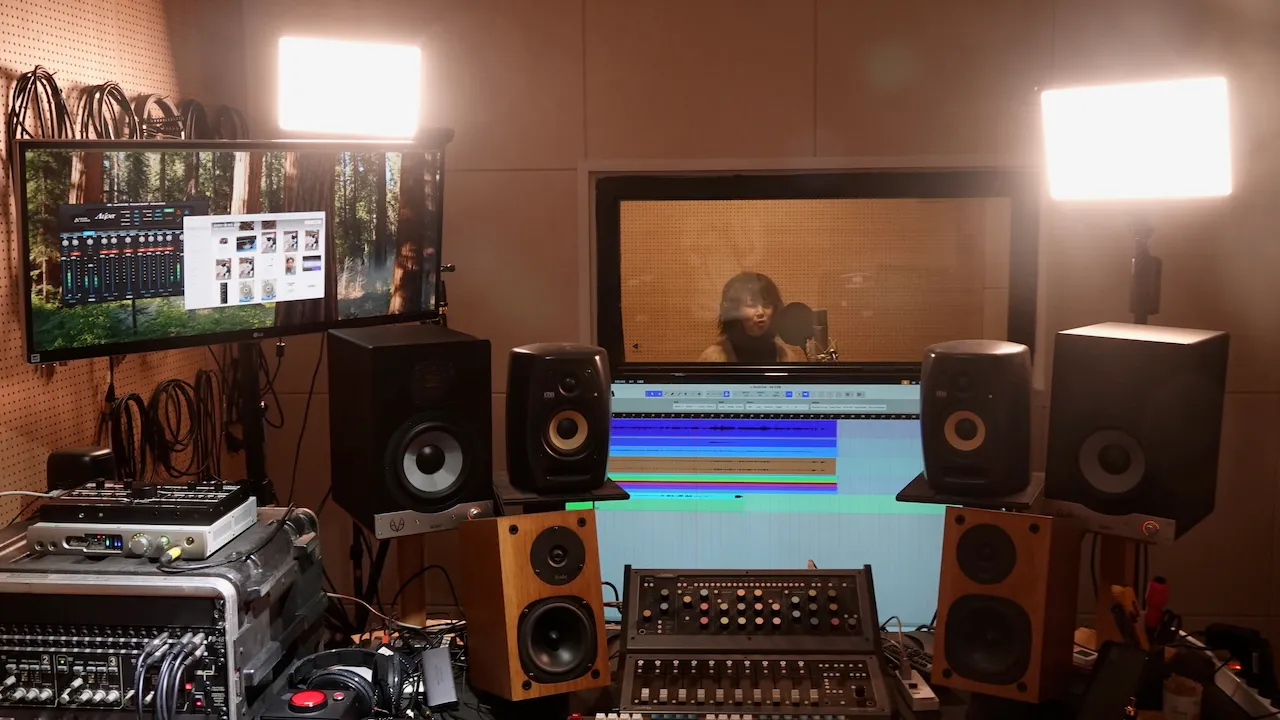
The process of making music is often compared to “cooking.” I can’t think of a better metaphor. For those new to mixing, I’ll be your chef starting today. (Nervous excitement!)
Have you ever spent time on a dish only to find it under‑seasoned? Or added too many ingredients and lost the original flavor? Mixing is the same. You begin with excitement, but sometimes you lose your way and feel frustrated. Don’t worry—I’ve burned dishes and over‑salted them plenty on my way here.
1. What is Mixing?
Going to the market and bringing home fresh ingredients—that’s recording. A farmer’s carefully grown vegetables (vocals), freshly caught fish (guitars), quality meat (drums) go into your basket and into the kitchen.
But do you just throw everything into a pot and boil? Of course not. You prep, season, and control the heat so the ingredients blend.
That is mixing.
- Add water if it’s too salty (EQ Cut)
- Add salt if it’s too bland (EQ Boost)
- Stir so ingredients don’t stick out (Compression)
- Plate it beautifully (Panning & Reverb)
And the final step—wiping the plate and sprinkling parsley before serving—that’s mastering.
2. Why do we need mixing?
“Isn’t it enough to record well and match volumes?” Some people ask this. Fair point—if you’ve got premium beef, just grilling it can be delicious. But most of the time, we need to combine many ingredients to create a new flavor.
A song without mixing is like a “buffet plate.” Kimbap next to cake, with sweet‑and‑sour sauce on top—chaos. Each dish is tasty, but together it’s a mess.
The ultimate goals of mixing are balance and emotion.
- Make sure vocals aren’t buried by drums so lyrics are clear (clarity)
- Make a sad ballad resonate with deeper space (depth)
- Make a dance track’s kick drum hit your chest (energy)
All of this is decided by the mixing engineer’s hands.
3. The mindset of a mixing engineer
Before we start this course, there’s one thing I really want to say.
“More important than skill is your ear and your taste.”
Learning flashy knife tricks (plugin techniques) matters, but what matters more is tasting and deciding, “Does this dish need more salt?” Don’t chase expensive plugins or famous gear from the start. Trust your ears and focus on how the music feels. Technique is just a tool to express the emotion you heard.
4. Starting this journey
We’re going on a long journey. You’ll have to learn boring digital theory, and you might want to tear your hair out over compressors. But don’t worry. I’ll be right beside you, explaining everything as simply and fun as possible.
You just follow along with a light heart. Now, tie on your apron and step into the kitchen. (Excited!)
[Common Beginner Mistakes] 🧂
- “I don’t have gear, so it can’t sound good.” A steak doesn’t taste bad because you don’t have a luxury knife. If the ingredients (recordings) are good, even just salt (volume) can taste great. Blaming gear is the sweetest cowardice when a mix isn’t working.
- “Dump it all in at once.” Don’t throw in EQ, compressors, and reverb from the start. The order is to taste the original flavor first, then season.
- “Serve without tasting.” Don’t rely only on numbers because “YouTube said so.” You must taste (listen) to know the flavor!