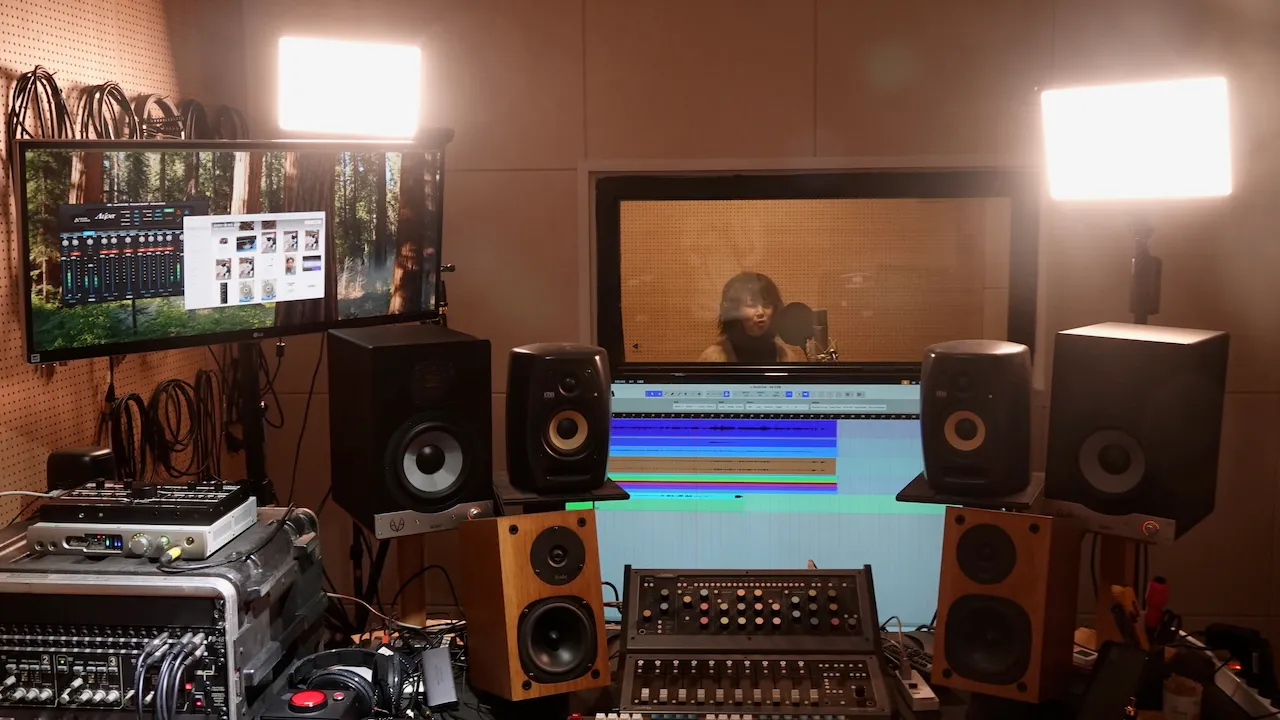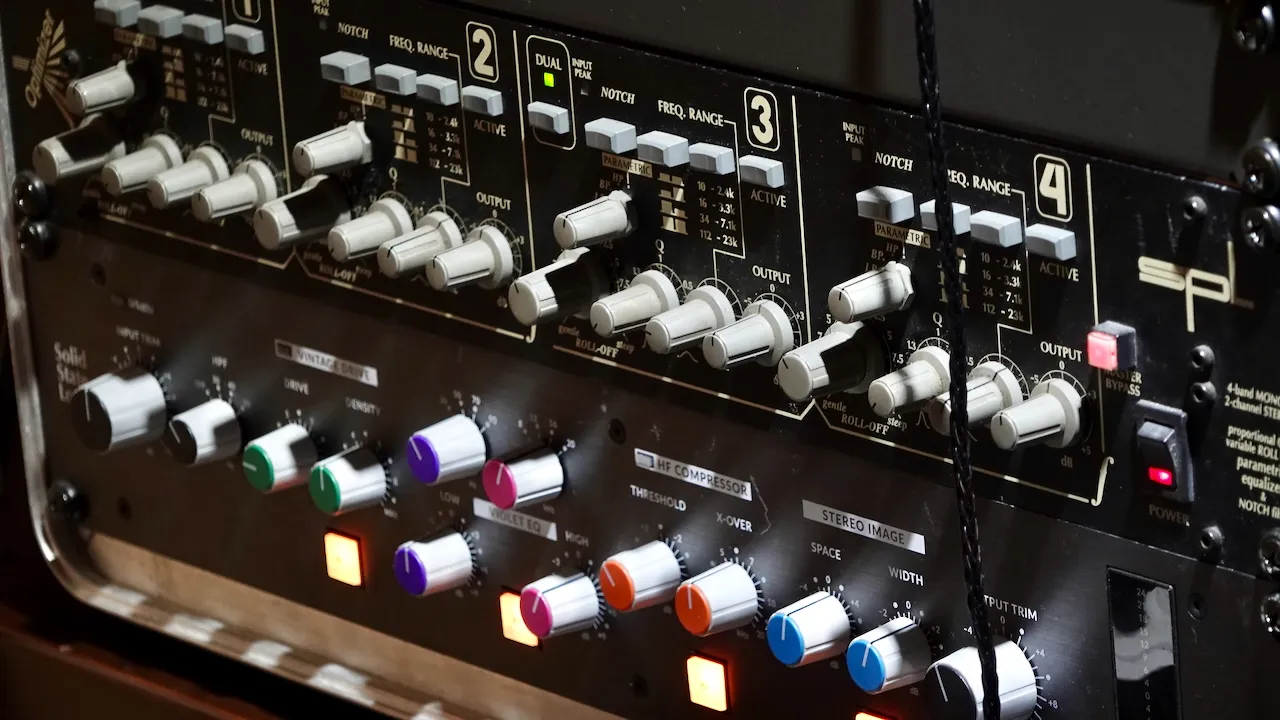

All preparations are done. (Deep breath.)
- Room is treated (Session Prep)
- Editing is done (Editing)
- Template is open (Ta‑da!)
Now you want to throw on fancy plug‑ins, right? Stop! (Hold on!) It’s time for the first and most important step: static mix.
1. What is a static mix?
"Creating the best balance using only volume faders and panning, with no plug‑ins or automation."
Play the song from start to finish and move faders to find the most stable balance. (Slide‑slide.) At this stage, the mix should already sound 80% done. If your static mix is a mess, don’t try CPR with EQ and compressors. A weak foundation collapses even with fancy paint. (Crash!)
2. The three rules of static mixing
- Use loop mode: Loop the loudest, densest section (usually the last chorus). (Boom!) If you can tame the busiest part, the rest becomes easy.
- Listen quietly: Turn your speakers down to conversation level. (Whisper‑level.) If the key elements (vocals, snare) are clear at low volume, the balance is real.
- Check in mono: Wide stereo can fool you. Collapse to mono and see if instruments still separate. (Clarity even when stacked.)
3. [Studio Episode] The 10‑minute challenge
When I started as an engineer, my mentor gave me a mission: “Finish a mix in 10 minutes with these tracks. No plug‑ins.”
I panicked. “How do I control drums without compression?” (Grumble.) But I forced myself to use only faders and pan for 10 minutes. Vocals center, drums solid, guitars wide...
Ten minutes later, it surprised me. No fancy effects, but the structure was crystal clear. It sounded more musical than my plug‑in‑heavy mixes. (Shock!)
[Studio tip]:
- Save after static mix: Save a “Static_Mix_Save” before inserting plug‑ins. When you get lost later, you can return to a solid reference.
4. What NOT to do at this stage
- Don’t solo tracks: Mixing is about togetherness. Everything sounds good solo. The question is how it sounds together. (All together!)
- Don’t insert plug‑ins: If it feels muddy, lower volume or adjust pan first. Keep this mindset: “Only problems that can’t be solved by volume/pan get solved by EQ later.”
When the static mix feels perfect, you’re ready for Part 14: Volume Balancing Details and Part 15: Panning.
Take a deep breath, put your hand on the fader. Now the real mixing begins. (Go!)
[Common Beginner Mistakes] 🎚️
- "Opening EQ first": If you can’t hear it, raise the fader. If the tone feels off, adjust pan. Plug‑ins are the last resort.
- "Skipping mono check": Stereo width can trick you. The moment you switch to mono, the vocal vanishes. Magic—and not the good kind.
- "Listening loud the whole time": Loud volume excites you but ruins judgment. The real skill is balance at low volume.