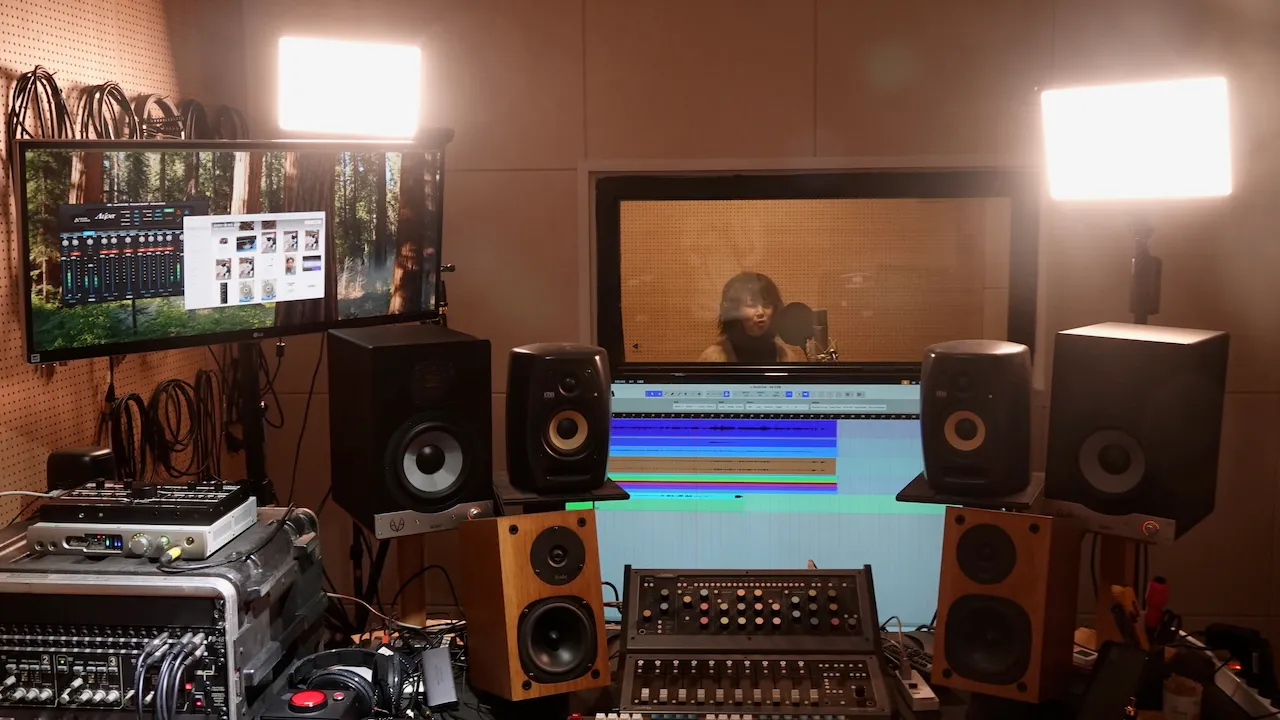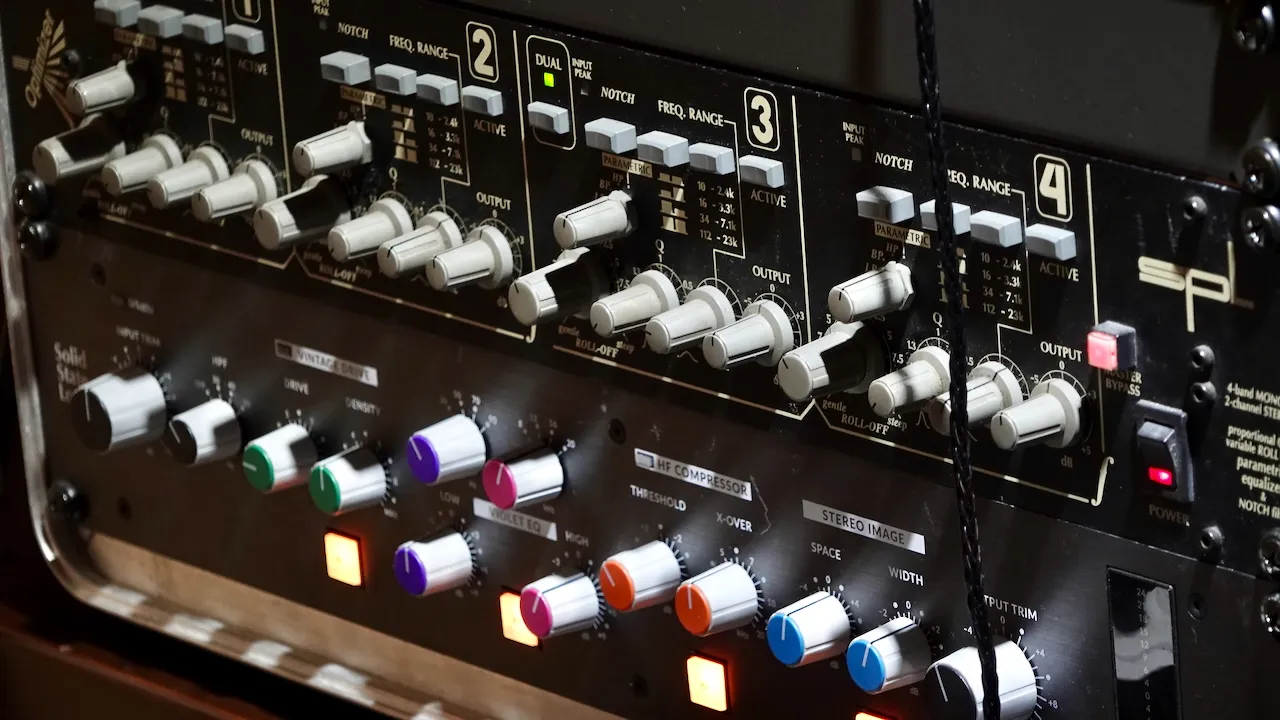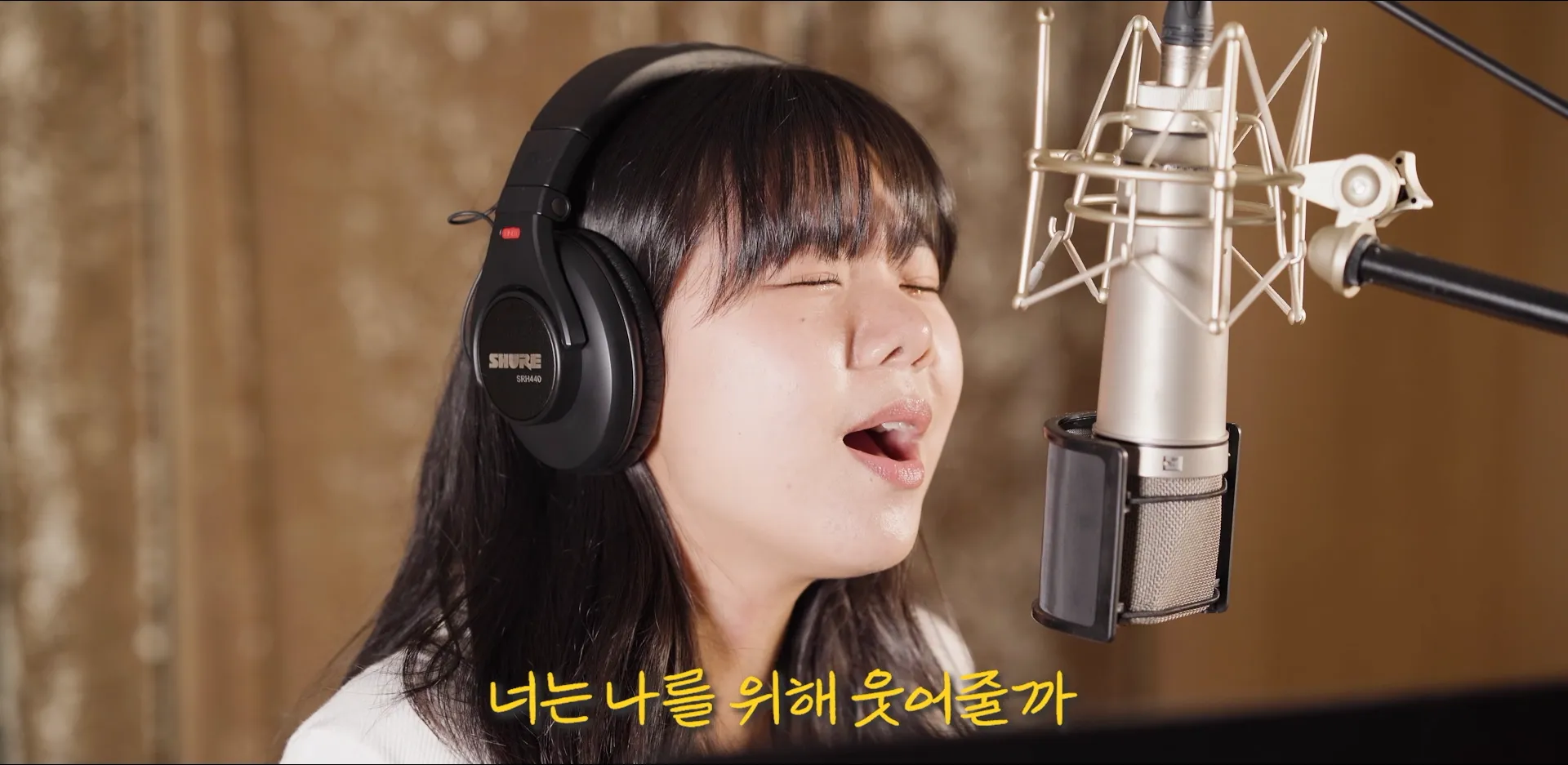
Interview with Producer Park Chan-woong of Jai’s new album “Golden Hour”: A golden time in a 25‑year musical journey completed through “balance” and “communication”
Jai’s new album “Golden Hour” captures the golden time in a 25‑year musical journey. Once the leader of the rock band “Hedimama,” which shaped an era of Korean indie music, Jai has since built a unique sonic identity as a solo artist. His first new release in seven years is special in many ways. A diverse palette that moves between rock and jazz, pop and soul—yet consistently anchored by Jai’s voice and lyricism—creates a perfect balance, much like the “golden hour” photographers talk about.
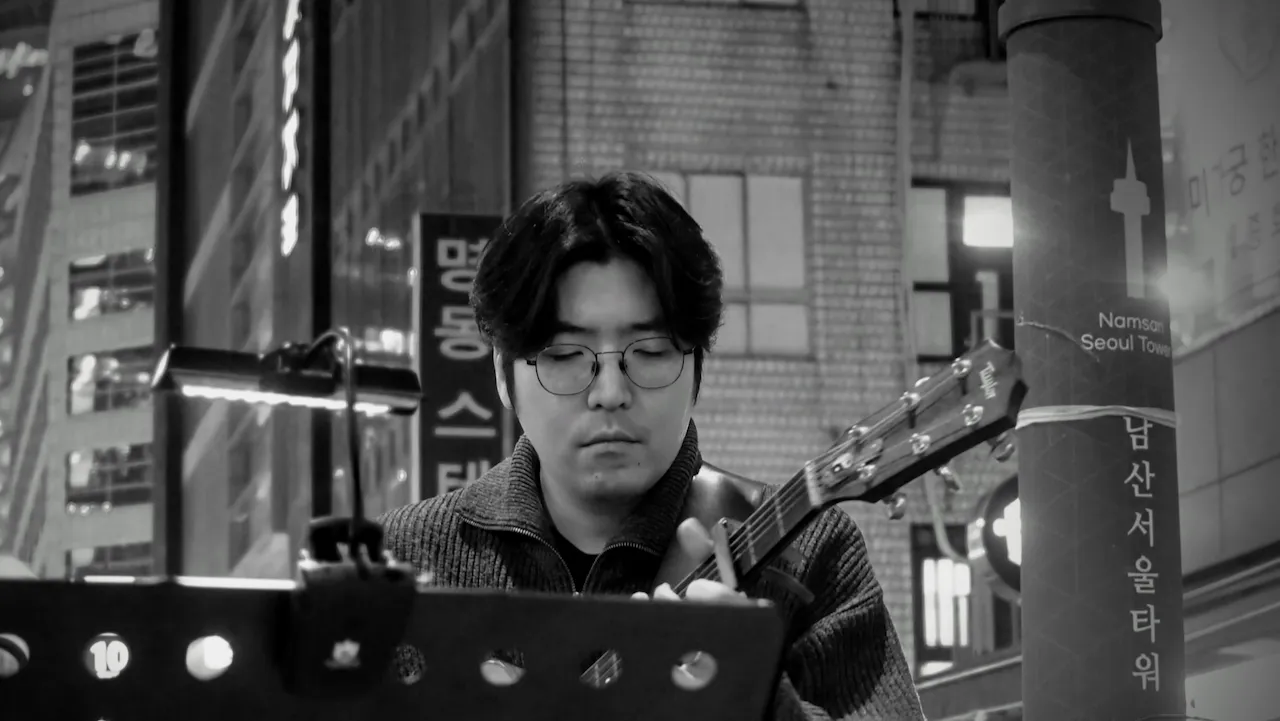
Producer Park Chan-woong played a key role in completing this album. A guitarist and producer, and the publisher of the music media outlet “Monthly Mixing,” he has been steadily expanding his influence in Korea’s music world. By dressing Jai’s original songs in various musical colors, he shaped the overall sound and direction of the album.
The four songs—“Your Date,” “Fever,” “Tonight,” and “A Late Old Story”—are not just a list of tracks but a single emotional journey. How did he maintain a unified tone across such different genres? How did he synchronize with session musicians? How is music production changing in the digital era? We met producer Park Chan-woong, who completed the musical direction of “Golden Hour,” to look into the world of modern music production.
“Artist first, references next”
Park Chan-woong is a music producer, guitarist, and publisher of Monthly Mixing. Even before he had a clear identity as a producer, he often played a role close to producing in many projects.
“Honestly, when you’re performing and recording, you end up producing anyway. Even if you don’t think you’re ‘producing,’ you often end up doing it. The boundary is blurry.”
In Korea, the role of “producer” is often vaguely defined. It can blur into the roles of broadcast PDs, composers, arrangers, and audio engineers. Park Chan-woong developed real producing skills while moving across those boundaries. In particular, he has shown exceptional ability to communicate effectively with musicians and to realize musical visions in collaboration.
His producing philosophy is clear.
“Artists first, and references come next.”
This is not just a slogan—it is his fundamental attitude toward music. Unlike many producers who impose their own style, he focuses first on understanding the artist’s music and personality.
“Rather than saying ‘this artist’ or ‘that album,’ there are things you should listen to for this work. Even if I have some ideal in mind, it often mismatches the artist at that time. Different players, different environments—nothing translates one‑to‑one. So you listen to the artist first, and then find references from the music you’ve heard that fit.”
This approach shows a humble yet practical view of the producer’s role. But as the interview progressed, what stood out was his clear musical judgment and production philosophy beneath that humility. He doesn’t merely accept an artist’s requests; he makes expert decisions to elevate the music.
{Golden Hour} and the producer’s musical judgment
When asked what he prioritized most in shaping the overall sound of {Golden Hour}, Park answered, “balance.”
“My focus was balance. The producer’s and artist’s language doesn’t perfectly match, so sometimes you need a bit of translation. Balancing what must reflect the artist’s stubbornness with what needs to be adjusted to make musical sense—that was the biggest thing. If you do everything exactly as requested, some things just don’t work. It felt like a 50/50 between satisfying the artist and making it musically coherent.”
This reveals that a producer’s role includes both understanding and implementing the artist’s needs and, at times, guiding them toward a more effective musical direction. Especially when a musician can’t clearly articulate their ideas or doesn’t know what is musically feasible, the producer’s expertise and judgment become essential. Park found a balance point that respected the songwriter’s intention while delivering a polished result.
He also recognized certain characteristics in Jai’s music. For example, he noted that the songs had similar keys and tempos. That similarity could have made the album monotonous. Park solved it by applying different arrangement approaches and instrument choices to each track. As a result, “Your Date” became a pop track with prominent electronic elements, “Fever” leaned strongly toward jazz, and “A Late Old Story” was completed with a rich band sound.
The meeting of two musicians: Jai and Park Chan-woong
What musical direction did Park suggest in the meeting between Jai and Park Chan-woong?
“Jai really embraced it. The keys and tempos were similar, and although the guides tried to present diversity, the melodies and harmonies were similar. I wanted to color them differently, and he accepted that.”
This response shows Park’s production philosophy: recognizing the limitations and similarities of the originals, then transforming them into diverse colors. Without his direction, {Golden Hour} could have become a monotonous album. His musical capability and understanding of various genres injected lo‑fi, jazz, rock, and more, raising the album’s overall completeness.

“Your Date,” the hardest and most satisfying track
Asked which track was the hardest—and the most satisfying—Park answered without hesitation: “Your Date.”
“‘Your Date’ was the most difficult and the most satisfying.”
This track holds a unique position on the album. Unlike Jai’s other songs, it features electronic beats and modern arrangements. Park shared an interesting story about its production.
“At first I wondered if it should be a band track, but I didn’t want it to feel like the others. I wanted it to stand apart, so initially I suggested just piano and guitar—piano and electric guitar with some ambient guitar to keep it light. I thought when full band drums appear on other songs, the album would feel more dimensional. But somehow it ended up with sampled drums, bass, electronic drums... I don’t usually go that far, but I tried it and it worked, so we kept it.”
This process shows Park’s bold musical decisions and experimental mindset. He developed the track in a different direction than originally planned, ultimately creating a track that greatly expanded the album’s diversity. In fact, the song received strong responses from supporters and listeners. It shows how a producer can elevate a work by proposing new creative directions, not just implementing an artist’s vision. With his expertise and musical sense, Park proposed a new path—and it became a highlight track of the album.
Collaboration with session musicians: professionals who raise the finish
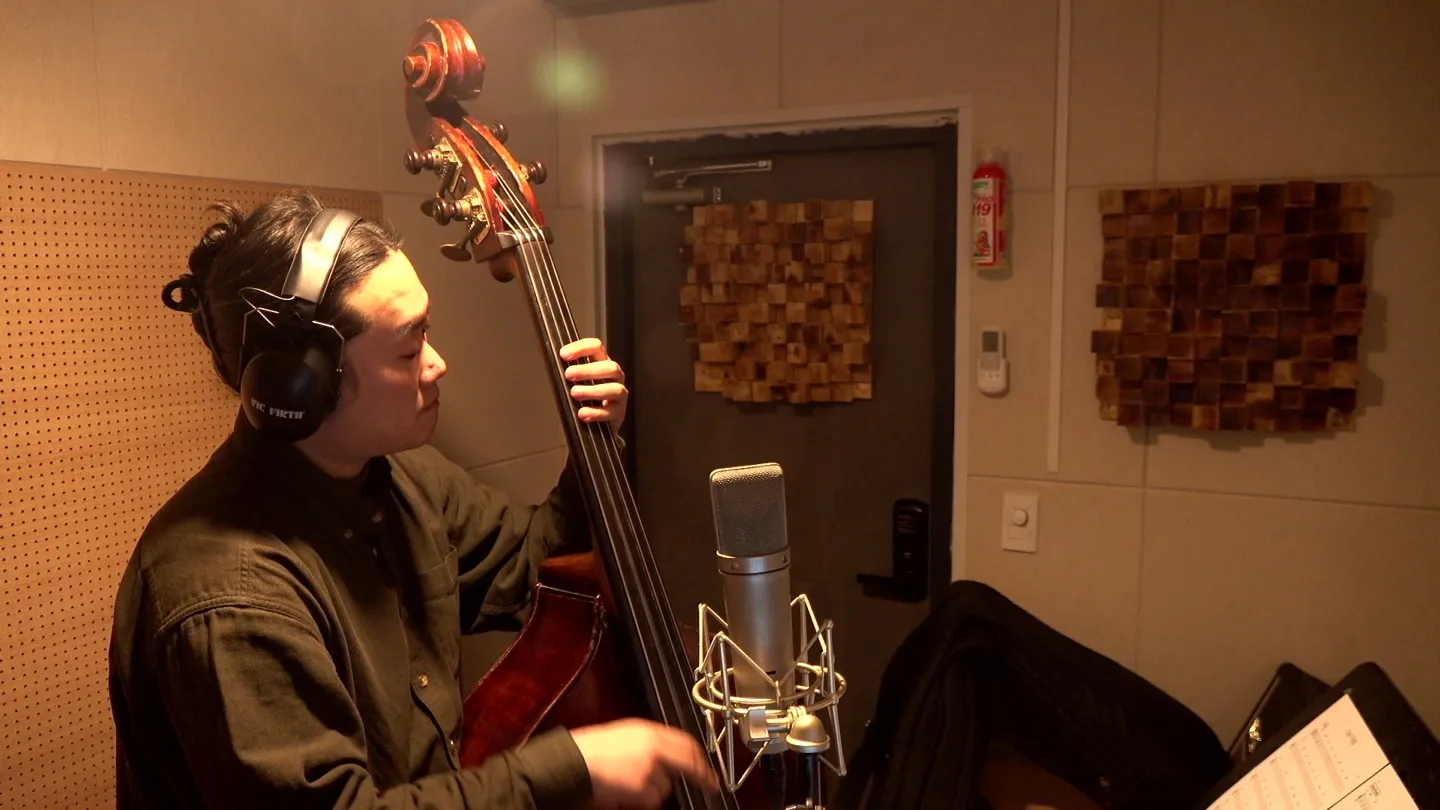
{Golden Hour} features excellent session musicians, including pianist Lee Bo‑ram, bassist Jung Soo‑min, and drummer Kwon Nak‑ju. Their participation was decisive in raising the album’s quality. Park especially emphasized Lee Bo‑ram’s musical contribution.
“Lee Bo‑ram points out detailed things. They can pass by as minor details, but if you examine closely, there are notes that don’t match the harmony or chords. On guitar, they might slide by naturally, but she catches them. That leads directly to the final quality.”
This highlights how crucial subtle details are in music production. Even harmonic nuances that most listeners won’t notice can determine overall quality. Park leveraged the session musicians’ expertise to bring out the full potential of Jai’s original songs.
Lee Bo‑ram’s jazz piano, in particular, played a key role in tracks like “Fever” and “Tonight.” Her sophisticated harmonic sense and touch provided a perfect backdrop for Jai’s vocals. Jung Soo‑min’s groovy bass and Kwon Nak‑ju’s steady drums also deepened the band sound.
While respecting the session musicians’ contributions, Park coordinated the overall musical direction. He carefully used each player’s strengths while maintaining the album’s cohesion.
“The session musicians adjusted well and did exactly what was asked.”
Behind that short, humble statement was likely a producer’s clear direction and vision. Skilled session musicians could “do as asked” because Park provided clear direction for each track and created an environment that drew out their abilities.
Music production in the digital era: between tradition and innovation
How does Park approach music production in an era transformed by digital technology? We asked his thoughts on the change.
“By my standards, this project is still old‑school. We never even played together as a full band. These days, it’s normal to work remotely. Everything is moving toward saving time and cost. Sometimes a player just records and you reprocess it like a sample. But even that feels old‑fashioned now—people just use samples.”
His response shows how fast music production has changed. Methods considered innovative just a few years ago are now viewed as “old‑school.” So where does he stand?
“If you record but can’t bring out the player’s strengths, what’s the point? I’m traditional in that sense. Even after editing, I intended it to sound like we played together.”
This shows he doesn’t reject digital tools; he uses them to realize traditional musical values. That approach is evident in {Golden Hour}. Each session part was recorded and edited separately, but the ultimate goal was an organic sound that felt like a live ensemble.
Park values real performance not out of conservatism but because he believes in the unique quality and energy of live players. On {Golden Hour}, he skillfully used digital tools while ensuring the musicians’ strengths and personalities were fully expressed.
The album’s tracks display diverse instrumentation and production styles, showing that Park selected sound palettes suited to each track’s mood. He boldly used programming and electronic beats in “Your Date,” and pursued more natural, jazz‑influenced arrangements in “Fever.” This diversity raised the album’s overall quality.
The producer’s role in indie music: a changing landscape
How is the producer’s role changing in the Korean indie music world? Park pointed to the rise of the DIY (Do It Yourself) trend.
“I think there are more cases where I’m both the producer and the artist. You can do it, so you want to… The barrier is lower now.”
As production tools become more accessible, many musicians are taking on producing themselves. With DAWs and plugins available at relatively low cost, tasks once limited to professional studios are now possible for independent musicians.
This shift has both positives and negatives. On one hand, more musicians can directly realize their musical visions. On the other, they may lose the external perspective and objectivity that a professional producer can provide.
In this environment, the role of a professional producer like Park becomes more specialized. He adds value by providing what musicians can’t easily do alone: objective musical judgment, broad genre knowledge, effective communication with session players, and advanced mixing/mastering expertise.
Asked what matters most when collaborating with indie musicians, Park mentioned the balance between independence and real‑world constraints.
“Indie musicians are independent artists, so it’s literally just between the artist and me. The lack of outside interference is the biggest advantage. But the biggest outside factor is still money—indie artists without money face the same constraints.”
This is a precise snapshot of the indie reality: the tension between creative freedom and financial limitations. Projects like Jai’s {Golden Hour}, funded via crowdfunding, reflect another important aspect of modern indie production.
Even within such constraints, Park strives for the best result. He recruited top session musicians and planned efficient recording schedules, raising the project’s quality. That’s one reason Jai’s indie production achieved sonic quality comparable to major‑label releases.
Monthly Mixing: the circulation of knowledge and expertise
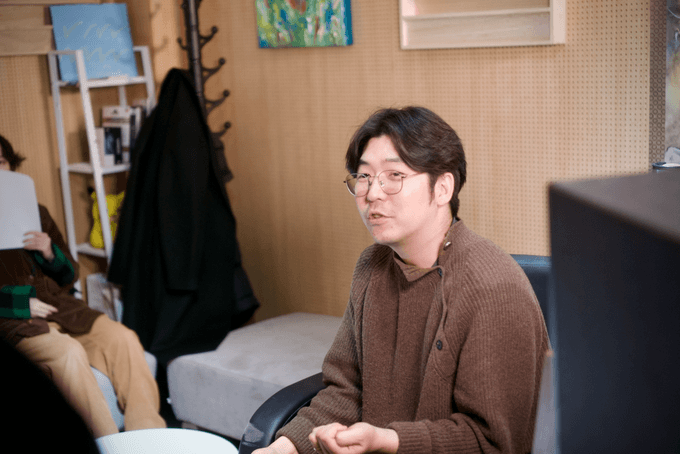
Park publishes an online music magazine called “Monthly Mixing” to share his production experience and knowledge. We asked how this activity affects his producing work.
“When I publish and invite columnists, I learn by reading their articles too. Most of the pieces are ones I agree with, so their ideas often align with mine.”
His answer shows both a constant appetite for learning and an open attitude. He says he learns even more while sharing his knowledge, demonstrating humility as an expert and a desire to keep up with new techniques and trends.
“Monthly Mixing” covers production, recording, mixing, mastering, and more. Park uses it to provide structured production knowledge that was lacking in Korea, while further strengthening his own expertise. He created a virtuous cycle between knowledge sharing and real‑world producing: what he studies and shares feeds into his work, and that experience comes back to readers as richer content.
Park Chan-woong’s musical role
{Golden Hour} is an album filled with diverse musical colors. What impact did Park have on the album?
“I think it allowed more genres to be included. Without that, it might have been just a normal rock album.”
Given Jai’s background as the leader of the rock band Hedimama, this is significant. Park’s broad genre understanding increased the album’s diversity. The jazz elements and modern production style are the result of his musical vision.
His role stands out in the album’s overall sound design as well. By applying different instrumentation and production approaches to each track, he added variety and depth. For example, he boldly used programming and electronic beats in “Your Date,” fused bossa nova rhythm with jazz harmony in “Fever,” and emphasized the dynamic band sound in “A Late Old Story.”
Park respected Jai’s ideas while developing them into richer musical directions. His guitar playing and arrangement in particular added a distinctive texture and atmosphere across the album.
As a producer, his approach focuses on conveying the unique emotions and stories of each track. He views the album as a single work, considering how each track functions in the overall context. This approach turned {Golden Hour} into a cohesive musical journey rather than a collection of separate songs.
Future vision as a producer: the importance of communication
When asked about musical experiments or projects he wants to try in the future, Park responded with an open attitude.
“Anything is fine as long as we’re doing it together. Anything is good, as long as we can communicate…”
This concise response shows his openness to a wide range of genres and styles. The key is “communication.” He emphasized the word repeatedly, showing his firm belief that the most important element in production is not technical skill or equipment, but effective communication between people.
“If communication doesn’t work and it’s experimental…”
His trailing words suggest the difficulties he has faced on projects where communication was lacking. Differences in vision, mismatched terminology, or simple miscommunication can make creative projects far more difficult.
Throughout the interview, “communication” was a repeated theme. He emphasized how crucial it is between artist and producer.
“The terms the producer and artist use aren’t exactly the same. Sometimes you need a bit of translation between them.”
These remarks remind us that music production is not just a technical process; it is a complex human interaction. In working on Jai’s {Golden Hour}, Park overcame these challenges and produced a result both sides could be satisfied with.
His future vision focuses less on specific technologies or genres and more on these human elements. He wants to keep collaborating with diverse artists and help realize their musical visions, while adding unique value through his expertise and creative ideas.
In today’s industry, where technology keeps advancing and tools are more accessible, the value of human communication only grows. Park clearly understands this—and it is one of the key reasons he continues to succeed as a producer.
Closing
The interview with Park Chan-woong offered insight into the complex process behind {Golden Hour} and the role of a modern music producer. On the surface he says “artist first,” but in practice his expert judgment—making bold production decisions when needed—stood out.
{Golden Hour} is an album that could not have been made without Park’s deep musical knowledge and producing skill. The rich arrangements and refined sound he added to the songs elevated the album to another level. Through this work, he further solidified his position as a key producer in Korea’s indie music world.
What makes his approach special is his deep awareness of communication’s importance in addition to technical skill. His emphasis on communication—between artist and producer, and between music and listener—shows him not just as a technician but as a thoughtful music creator.
At the end of the interview, Park left a concise but meaningful statement about the essence of music production: “People matter. Music is made by people, not machines.” This shows that even as a professional who works with advanced technology and equipment, he never forgets that music’s core is human emotion and communication.